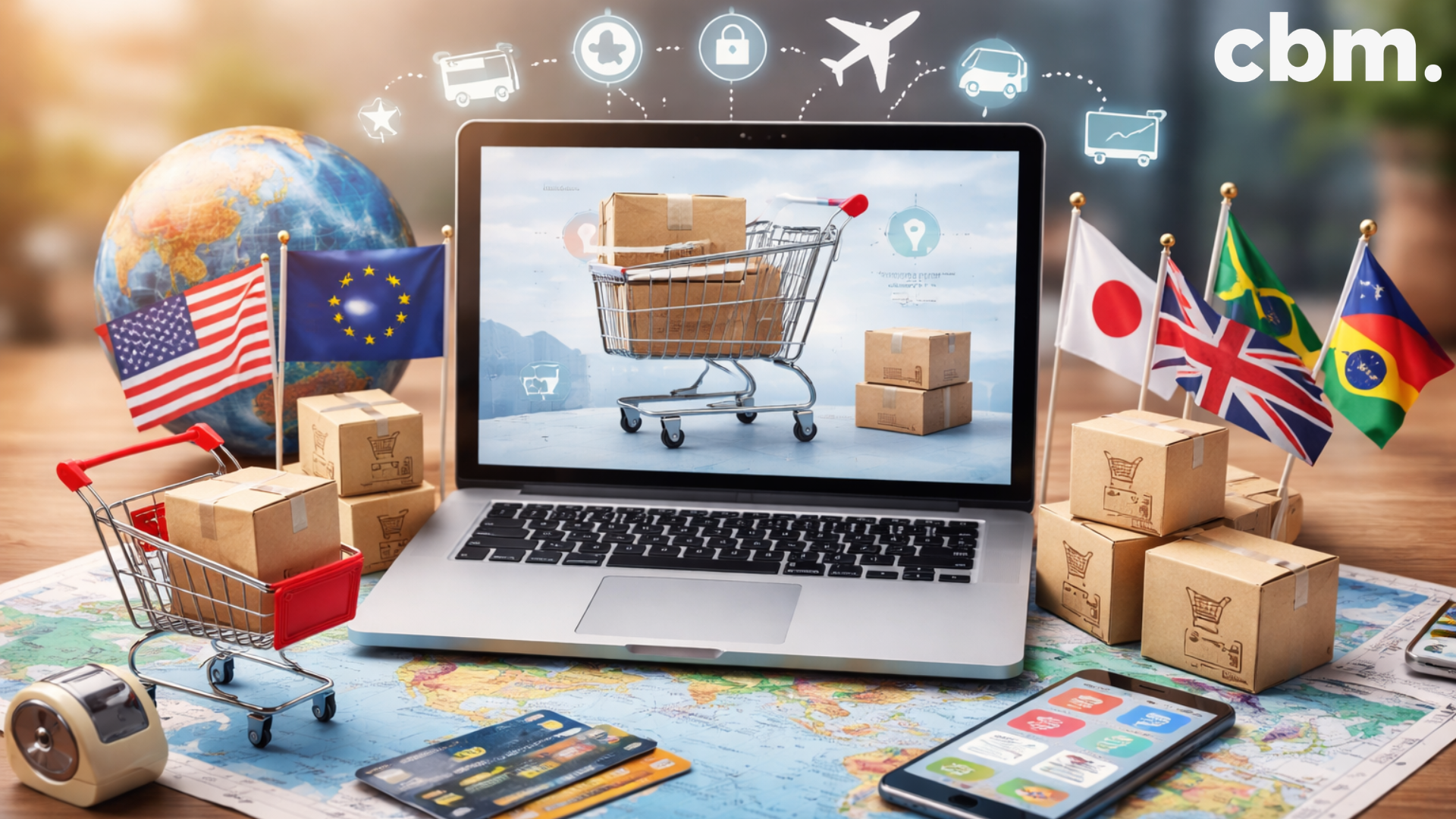
Cross-border e-commerce has evolved from a growth opportunity into a structural necessity. European brands that fail to sell beyond their domestic borders risk stagnation, shrinking market share, and vulnerability to international competitors.
At Cross-Border Magazine, we have followed the development of cross-border e-commerce for more than a decade. The landscape has matured significantly, and consumer expectations have increased.
The goal of this guide is to provide a complete overview of cross-border e-commerce in Europe in 2026, including logistics, marketplaces, VAT, localisation, and future trends.
Cross-border e-commerce refers to the sale of goods or services online to customers in a different country from the seller.
It includes:
Cross-border commerce requires more than shipping; it demands logistics, tax compliance, localisation, and customer experience management.
For broader industry insights, see local reports and European E-commerce Report.
The European cross-border market reached €275.6 billion in 2024 and is expected to grow further. Marketplaces dominate, accounting for roughly 70% of turnover (cep-research.com).
Western European markets are mature. Growth is slowing, customer acquisition costs are rising, and international expansion is increasingly necessary.
Platforms like Amazon, Temu, Ebay, Bol, Alegro, Walmart, Carrefour. ManoMano provides fast entry to new markets.
Logistics is a critical component of success. Consumers expect:
Companies often choose between centralised warehouses or multi-country fulfilment. Insights from LogiCommerce Connect show that infrastructure choice directly affects profitability.
Returns are costly but unavoidable. Best practices:
Cross-border VAT is complex. EU regulations now include the One Stop Shop (OSS) and IOSS systems.
Example: Germany requires compliance for marketplace sellers.
Import duties, like the €150 threshold, also impact pricing.
Translation alone is not enough. Localisation includes:
For example, Nordic markets require specific approaches.
Cross-border e-commerce relies on:
Headless commerce solutions help scale internationally.
Trust is critical. Consumers need confidence in payment security, authenticity, and customer service.
Initiatives like Scamadviser highlight online trust.
Key trends:
Cross-border e-commerce in 2026 is:
Success requires:
Strong customer experience as global competition increases, the ability to operate across borders will become a key differentiator for online retailers.
Platforms such as Cross-Border Magazine continue to play an important role in sharing insights, industry developments, and expert perspectives that help companies navigate the increasingly complex world of cross-border e-commerce.
If you need answers to your cross-border challenges, then please go to our expert page and contact them directly through LinkedIn!
Check here for the Top 50 best cross-border companies!

By continuing to use the site, you agree to the use of cookies. more information
The cookie settings on this website are set to "allow cookies" to give you the best browsing experience possible. If you continue to use this website without changing your cookie settings or you click "Accept" below then you are consenting to this.