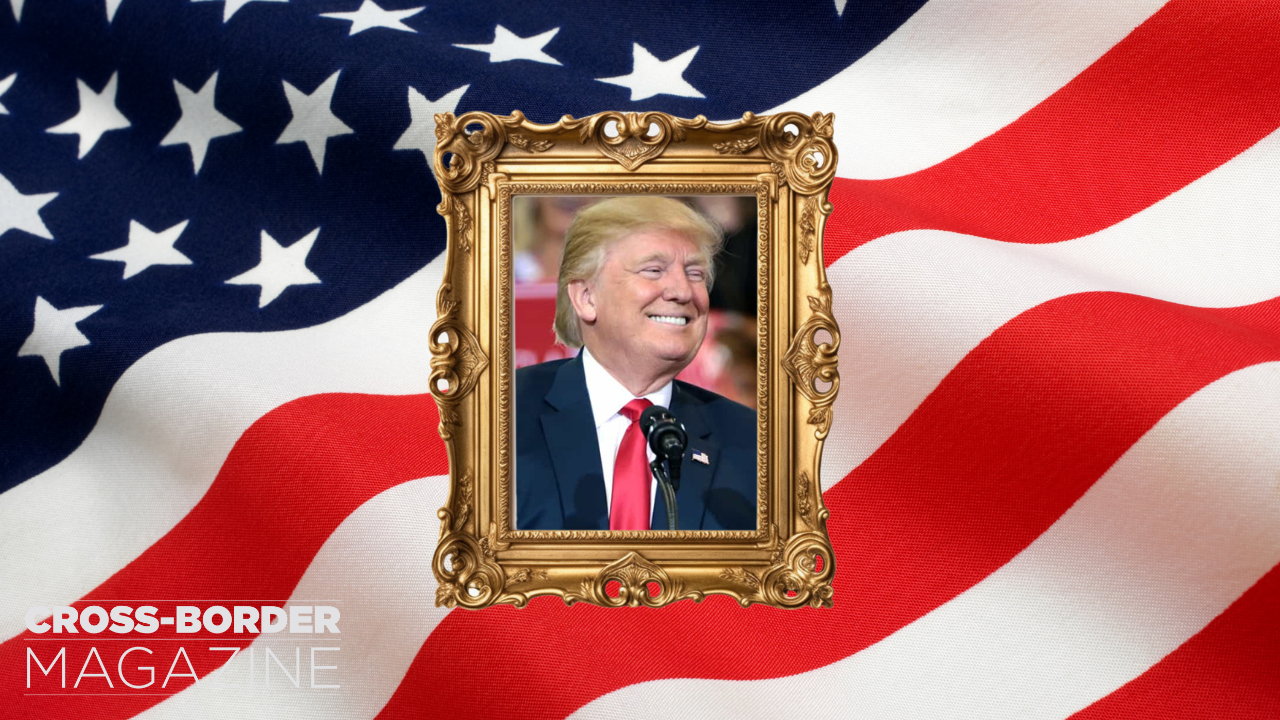
Donald Trump’s 2024 reelection as President of the United States could have significant implications for global e-commerce. With aggressive trade policies and proposed tariff changes, online retailers and consumers worldwide are bracing for potential impacts on prices, supply chains, and overall market dynamics. This article explores the likely effects of Trump’s policies on e-commerce, from consumer pricing to the stability of international e-commerce giants.
One of Trump’s primary campaign promises involves sweeping tariffs on U.S. imports. His plan includes a 10% baseline tariff on all imported goods, with specific increases aimed at certain countries. For example, Chinese imports could face tariffs as high as 60%, and Mexican goods may see a 25% increase.
This strategy supports U.S. manufacturing by making foreign goods less competitive domestically. However, these tariffs could create a ripple effect in global e-commerce, impacting international retailers and raising consumer costs. E-commerce businesses that rely on affordable imports may find themselves squeezed, facing a tough decision between absorbing additional costs or passing them on to consumers.
As of November 2024, the United States imposes various tariffs on e-commerce imports, particularly those from China. These tariffs are part of broader trade measures to address trade imbalances and protect domestic industries.
The USA is already enforcing a series of tariffs on e-commerce imports. Especially those coming from China. Let’s take a look at the current legislation:
Section 301 Tariffs
The Office of the United States Trade Representative (USTR) has finalized modifications to Section 301 tariffs on Chinese-origin goods. These changes include increased tariffs on electric vehicles, semiconductors, and medical supplies. For instance, tariffs on electric vehicles have risen to 100%, while semiconductors face a 50% tariff.
De Minimis Exemption Adjustments
The U.S. government has also announced actions to address the abuse of the de minimis exemption, which allows low-value shipments (under $800) to enter the country duty-free. New regulations propose excluding products subject to tariffs under Sections 201, 232, and 301 from this exemption. This change aims to prevent e-commerce platforms from circumventing tariffs by shipping goods in small, low-value packages.
Impact on E-commerce Imports
These tariff adjustments and regulatory changes significantly impact e-commerce imports into the U.S., especially for goods sourced from China. Due to higher tariffs and the narrowing of duty-free exemptions, importers and consumers may experience increased costs. Businesses engaged in cross-border e-commerce should stay informed about these developments to navigate the evolving trade landscape effectively.
The new tariffs will likely increase consumer prices for various products, especially those typically imported from countries subject to the tariffs. In the competitive e-commerce landscape, where price sensitivity is high, such increases could dampen consumer spending.
Higher tariffs are expected to disrupt existing supply chains. Many e-commerce businesses rely on efficient, global supply chains to keep costs low and meet demand. Trump’s trade policies could introduce new logistical challenges as businesses adjust, potentially leading to inventory shortages, delays, and reduced product variety.
As of 2023, cross-border e-commerce accounts for approximately 3% of the total e-commerce revenue in the United States. This indicates that most e-commerce products sold in the U.S. are sourced domestically, with a relatively small portion originating from international markets.
In terms of consumer behavior, about 53% of U.S. cross-border shoppers made their most recent purchases from Chinese online retailers, highlighting China's significant role in the U.S. cross-border e-commerce landscape.
These statistics underscore that while international e-commerce plays a role in the U.S. market, domestic e-commerce remains predominant.
Major international e-commerce platforms, especially those based in countries targeted by these tariffs, could face significant challenges. Chinese companies like Shein and Temu, which rely on trade exemptions and lean supply chains to offer competitive pricing in the U.S., may see their advantages diminish. This could lead these platforms to reconsider their U.S. market strategies, possibly reducing their presence in the U.S. altogether.
Trump’s aggressive tariff strategy could lead to retaliatory measures from affected countries, sparking new trade conflicts. These conflicts could add economic uncertainty, making it more challenging for e-commerce businesses to plan and invest in growth. Additionally, economic instability may lead to reduced consumer confidence, which could further slow e-commerce growth.
E-commerce companies should consider diversifying their supply chains to mitigate the risks of tariffs and trade conflicts. By sourcing from multiple countries, businesses can reduce dependency on any single nation, helping to avoid the full impact of country-specific tariffs.
Some e-commerce companies may explore domestic production options to avoid import tariffs entirely. While domestic production often involves higher initial costs, it can offer a reliable alternative to fluctuating international markets.
Overall, Donald Trump’s reelection in 2024 and the associated trade policies will likely profoundly affect global e-commerce. With increased tariffs, potential trade conflicts, and shifting supply chains on the horizon, the e-commerce landscape may experience significant disruption. However, companies' proactive adaptation—through supply chain diversification, domestic production, and strategic planning—can help them remain competitive in a changing global market.
Understanding and preparing for geopolitical changes will be essential for e-commerce companies to thrive in future years. This will ensure they can continue to meet consumer demand despite an evolving landscape.




By continuing to use the site, you agree to the use of cookies. more information
The cookie settings on this website are set to "allow cookies" to give you the best browsing experience possible. If you continue to use this website without changing your cookie settings or you click "Accept" below then you are consenting to this.