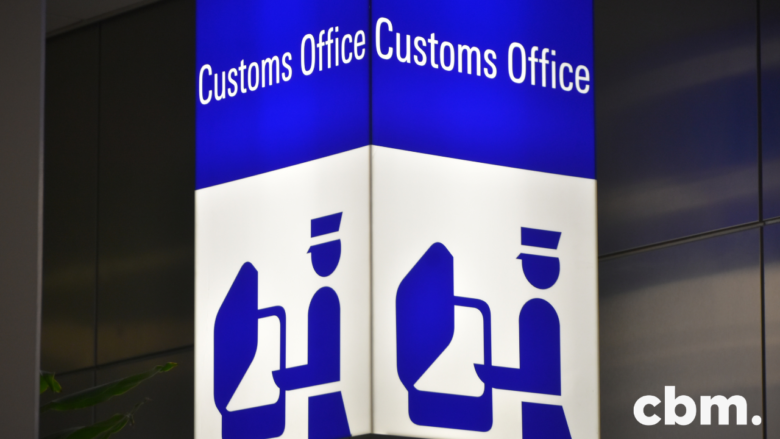
The EU New Customs Authority is set to transform how goods enter the European Union, responding directly to the explosive growth of cross-border e-commerce. With billions of low-value parcels flowing into the EU every year, regulators are now taking decisive action to restore balance, improve safety, and modernize outdated customs systems.
Confirmed in March 2026, the EU New Customs Authority (EUCA) will be headquartered in Lille, France, and will coordinate customs enforcement across all EU member states. This initiative represents one of the most significant regulatory changes in European e-commerce in recent years.
The creation of the EU New Customs Authority is a direct response to the massive increase in cross-border shipments, largely driven by global marketplaces such as Shein, Temu, and AliExpress.
This surge has created multiple challenges:
The EU New Customs Authority is designed to address these imbalances and bring greater control to cross-border trade.
The EU New Customs Authority is a decentralized agency that will unify and strengthen customs operations across Europe.
Key features include:
By centralizing oversight, the EU New Customs Authority aims to replace fragmented systems with a more efficient and consistent approach to customs enforcement.
One of the first measures linked to the EU New Customs Authority is the introduction of a €3 fee per parcel.
This measure is intended to:
The EU New Customs Authority will play a key role in eliminating the €150 duty-free threshold.
This change will:
Another critical objective of the EU New Customs Authority is improving product safety.
The authority will enhance:
A central component of the EU New Customs Authority strategy is the creation of a unified customs data hub.
Key milestones:
This system will:
The EU expects this initiative to generate significant cost savings and operational efficiencies.
Lille was chosen as the headquarters of the EU New Customs Authority due to several strategic advantages:
The selection highlights the importance of location in managing the future of European customs operations.
The EU New Customs Authority will increase pressure on global e-commerce platforms:
Business models based on ultra-low-cost imports will likely need to adapt.
European retailers are expected to benefit from the EU New Customs Authority through:
The EU New Customs Authority will also reshape logistics strategies:
The EU New Customs Authority signals a broader transformation in EU trade policy:
For B2B companies, this means:
The EU New Customs Authority represents a fundamental shift in how the European Union manages e-commerce imports. By introducing new fees, removing outdated exemptions, and centralizing customs operations, the EU is creating a more controlled and fair digital trade environment.
As cross-border e-commerce continues to grow, the EU New Customs Authority will play a critical role in shaping the future of global trade within Europe, setting new standards for compliance, efficiency, and consumer protection.


By continuing to use the site, you agree to the use of cookies. more information
The cookie settings on this website are set to "allow cookies" to give you the best browsing experience possible. If you continue to use this website without changing your cookie settings or you click "Accept" below then you are consenting to this.