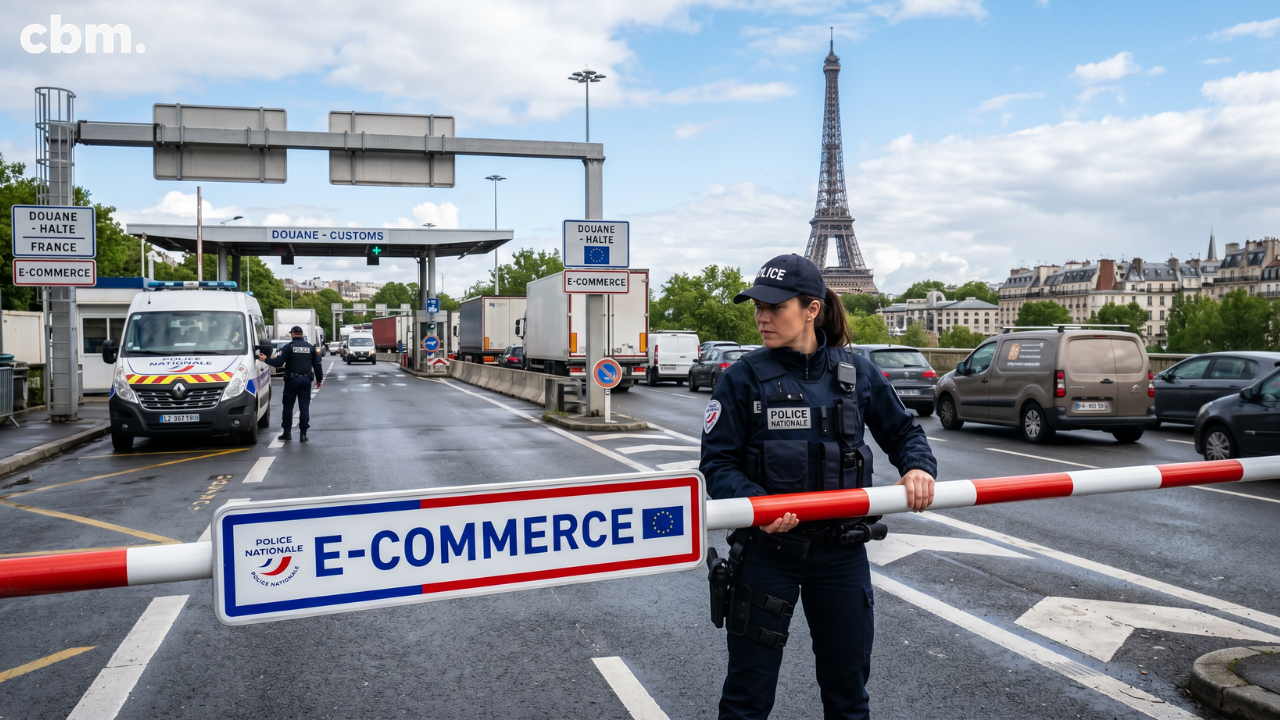
France has become one of the first major European markets to move ahead with stricter controls on low-value ecommerce imports by introducing a new parcel fee on small shipments arriving from outside the European Union. The measure is widely seen as an early response to the rapid growth of ultra-low-cost cross-border marketplaces that have transformed online shopping across Europe.
For ecommerce brands, marketplaces, retailers, logistics providers, and consumers, this decision could mark the beginning of a broader shift in how imported goods are taxed, priced, and regulated inside the EU. France’s parcel fee is not only a national policy change. It is also a signal of where European e-commerce regulation may be heading next.
France has introduced an additional charge on low-value imported parcels from non-EU sellers entering the country. The measure primarily targets the large volume of small ecommerce packages shipped directly to consumers from overseas platforms.
For years, many low-cost international sellers benefited from highly competitive pricing models based on direct shipping, minimal packaging costs, and thin margins. French authorities argue that the speed and scale of this growth have created pressure on domestic retailers and increased customs and compliance burdens.
The new parcel fee aims to create a more balanced market by adding a cost to imported shipments that previously entered the market at very low prices.
French retailers have faced increasing competition from global platforms offering products at prices that many domestic businesses struggle to match. Clothing, accessories, household goods, electronics, and impulse-buy products have been particularly affected.
Local merchants often operate with higher labor costs, stricter product regulations, and tax obligations. The new fee is intended to reduce some of that imbalance.
The rise of mobile shopping apps and social media-driven commerce has accelerated demand for inexpensive imported products. Consumers can now purchase directly from overseas sellers in seconds, often with free or very cheap delivery.
This model has generated large volumes of parcels entering European markets, creating operational pressure on customs systems and delivery networks.
Authorities across Europe are paying closer attention to VAT compliance, product safety standards, counterfeit goods, and environmental impact. Small imported parcels can be harder to monitor at scale than bulk commercial shipments.
The parcel fee can therefore be viewed as both an economic and regulatory tool.
The policy primarily focuses on low-value e-commerce parcels shipped from outside the European Union to consumers in France. While specific thresholds and enforcement details may evolve, the measure is designed to capture the categories of shipments most commonly associated with direct-to-consumer cross-border marketplaces.
Products likely to be affected include:
Higher-value commercial shipments and traditional wholesale imports may be treated differently depending on customs classification and shipping structure.
Many international sellers compete primarily on price. Even a small added fee can weaken that advantage, especially for products with low average order values.
If a product costs only a few euros, an extra import charge can significantly change conversion rates and consumer willingness to buy.
Sellers must decide whether to absorb the fee or pass it on to customers. Both options create challenges.
Absorbing the fee reduces already-thin margins. Passing it to customers may reduce sales volume.
To remain competitive, more international brands may consider storing inventory inside the EU. Using local or regional warehouses can reduce customs friction, improve delivery times, and create a smoother customer experience.
This may accelerate investment in European fulfillment centers.
Businesses selling into France may need stronger processes for VAT registration, customs declarations, returns management, and product documentation.
For smaller merchants, this increases operational complexity.
The most direct impact for shoppers may be higher total costs on imported products. Buyers accustomed to ultra-low pricing may notice fewer extreme bargains.
In the long term, clearer pricing structures and stronger import controls could improve trust in e-commerce transactions.
Consumers increasingly value knowing the final cost upfront, including taxes and fees.
If imported products become less attractive on price, some consumers may shift toward French or EU-based sellers that offer faster shipping, easier returns, and stronger customer service.
Domestic retailers may gain breathing room in categories where imported low-cost products dominated search results and consumer attention.
This does not eliminate competition, but it may reduce the gap.
French retailers that combine fair pricing with quality, trust, sustainability, and fast delivery can strengthen their position.
The e-commerce battle is no longer only about the cheapest item. It is increasingly about the best overall experience.
Consumers frustrated by long shipping times or difficult returns from overseas sellers may rediscover the benefits of local ecommerce brands.
This creates new opportunities for retention and repeat purchases.
Large marketplaces operating in France may need to adjust how they display pricing, calculate landed costs, and communicate delivery charges.
Possible changes include:
Platforms that adapt quickly can protect trust and maintain growth.
Many industry observers believe France’s decision is part of a wider European shift. EU institutions have already debated new customs measures and stronger oversight of low-value imports.
If more countries adopt similar charges, cross-border e-commerce economics could change significantly across the continent.
That would have implications for:
France may simply be the first mover in a much broader transition.
Brands selling into France should immediately reassess product pricing, shipping fees, and profitability by category.
Low-ticket items may require new bundling strategies or minimum order thresholds.
Local stock placement can reduce friction, improve delivery speed, and support better customer satisfaction.
Businesses should ensure documentation, VAT handling, and declarations are accurate and scalable.
When price pressure increases, brand trust matters more. Clear product pages, strong reviews, reliable service, and quality messaging become even more valuable.
Monitor conversion rates, abandoned carts, repeat purchase behavior, and geographic demand shifts after the fee is implemented.
This topic creates strong search demand across B2B and retail audiences. Relevant keyword themes include:
Brands, consultancies, logistics firms, and tax specialists can build content authority by publishing practical guidance on these topics.
The French parcel fee reflects a broader evolution in e-commerce. Governments are no longer treating cross-border parcel growth as a niche issue. It has become a mainstream economic, competitive, and regulatory concern.
The era of frictionless ultra-cheap imports may be changing. In its place, Europe may move toward a model where price remains important, but compliance, transparency, sustainability, and customer experience carry greater weight.
France’s new parcel fee is more than a local policy adjustment. It is a major signal to the e-commerce market. Sellers who relied purely on low prices may face new challenges, while retailers that compete on trust, speed, and value could benefit.
For e-commerce businesses operating in Europe, the message is clear: adapt now to a market where regulation and customer expectations are evolving quickly.



By continuing to use the site, you agree to the use of cookies. more information
The cookie settings on this website are set to "allow cookies" to give you the best browsing experience possible. If you continue to use this website without changing your cookie settings or you click "Accept" below then you are consenting to this.