In 2024, the e-commerce logistics industry faced a rapidly evolving landscape shaped by emerging technologies, heightened consumer expectations, and sustainability demands. This article explores the main challenges, leading technologies, and critical trends defining global e-commerce logistics in 2024.
Main Challenges in E-Commerce Logistics During 2024
Seasonal Demand Fluctuations Managing demand surges during peak shopping seasons, like holidays and major sales events, remained a critical challenge. E-commerce companies struggled with inventory shortages and overburdened delivery systems, highlighting the need for better forecasting and agile supply chain strategies.
Last-Mile Delivery Efficiency The "last mile" of delivery—getting packages to the customer’s doorstep—was one of the costliest and most challenging aspects of logistics in 2024. Consumers demanded faster and more reliable shipping, putting immense pressure on logistics providers to innovate while controlling costs.
Sustainability Pressures Increasing awareness of climate change drove the demand for eco-friendly logistics practices. Companies faced the dual challenge of reducing their carbon footprint while maintaining efficiency and profitability.
Complex Returns Management The rise of online shopping also increased returns, with customers expecting seamless return processes. The growth of trends like "wardrobing," where items are purchased for short-term use and then returned, added to the logistical complexities.
Leading Technologies Revolutionizing E-Commerce Logistics
Artificial Intelligence (AI) and Machine Learning AI emerged as a game-changer in 2024, enabling more intelligent demand forecasting, route optimization, and dynamic pricing. Machine learning algorithms improved inventory management and enhanced supply chain efficiency.
Warehouse Automation and Robotics Automated warehouses became standard, allowing for faster and more precise order fulfillment. Robotics reduce human error and increase throughput, with companies like Amazon and Walmart leading the way.
Blockchain Technology for Transparency Blockchain ensured greater transparency in supply chain management, offering secure and immutable records that improved product tracking and verification. This technology was critical for industries like food and pharmaceuticals, where authenticity and traceability are paramount.
IoT-Driven Visibility Internet of Things (IoT) devices provide real-time visibility into goods in transit, helping companies proactively address delays or damages. IoT-powered logistics enhance customer trust and satisfaction.
Top E-Commerce Logistics Trends in 2024
Sustainability at the Forefront As consumers increasingly prioritized eco-conscious brands, businesses adopted sustainable logistics strategies, such as eco-friendly packaging, route optimization, and transitioning to electric delivery fleets.
AI-Driven Logistics Optimization AI and automation were integrated at every stage, from warehouse operations to last-mile delivery. Predictive analytics helped companies anticipate demand and optimize stock levels.
Streamlined Returns Management Businesses invested in returns-friendly logistics systems to reduce costs and improve customer satisfaction. Efficient reverse logistics processes became a competitive advantage.
Advanced-Data Analytics for Insights Companies leveraged big data to understand consumer behavior better, predict trends, and streamline supply chains. This allowed e-commerce platforms to stay agile in a competitive market.
Overall, in 2024, e-commerce logistics evolved to tackle unprecedented challenges, with technology pivotal in driving efficiency and sustainability. Companies that embraced AI, automation, and blockchain were able to meet consumer expectations for speed, transparency, and eco-consciousness. As global e-commerce grows, these lessons will shape the future of logistics.
Key Takeaways
Focus on AI, automation, and IoT for improved efficiency.
Prioritize sustainable logistics to align with consumer values.
Address challenges in last-mile delivery and returns management proactively.
By adapting to these insights and trends, businesses can stay competitive and ensure long-term growth in the dynamic world of e-commerce logistics.
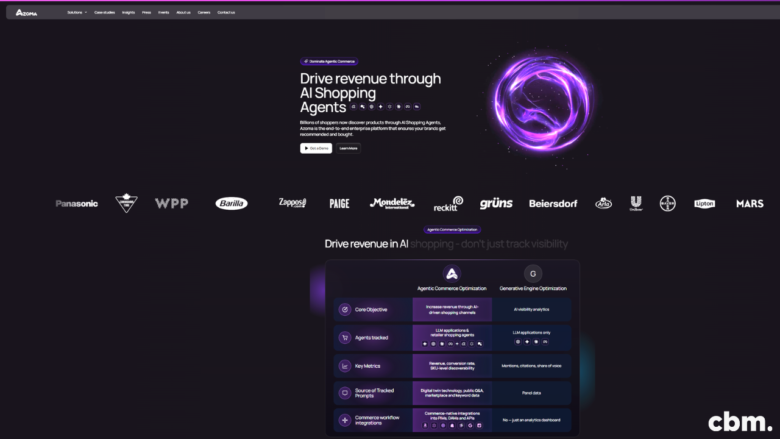
Azoma, a London- and Toronto-based technology company specializing in Agentic Commerce Optimization (ACO), has secured $11.2 million in Series A funding to expand its artificial intelligence platform and help global...
Amazon has announced plans to invest more than €16 billion in Germany during 2027, strengthening its operations across logistics, artificial intelligence, cloud computing and digital infrastructure. The announcement, made on...
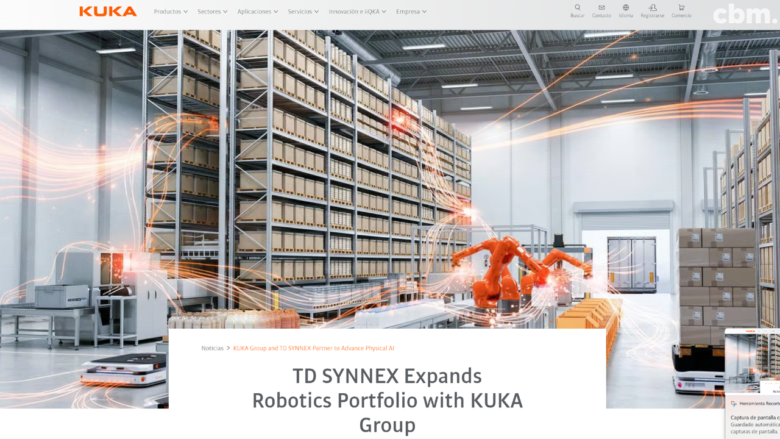
Industrial automation specialist KUKA Group has expanded access to its autonomous mobile robot portfolio through a distribution agreement with technology distributor TD SYNNEX, targeting businesses across Europe and North America....
By continuing to use the site, you agree to the use of cookies. more information
The cookie settings on this website are set to "allow cookies" to give you the best browsing experience possible. If you continue to use this website without changing your cookie settings or you click "Accept" below then you are consenting to this.