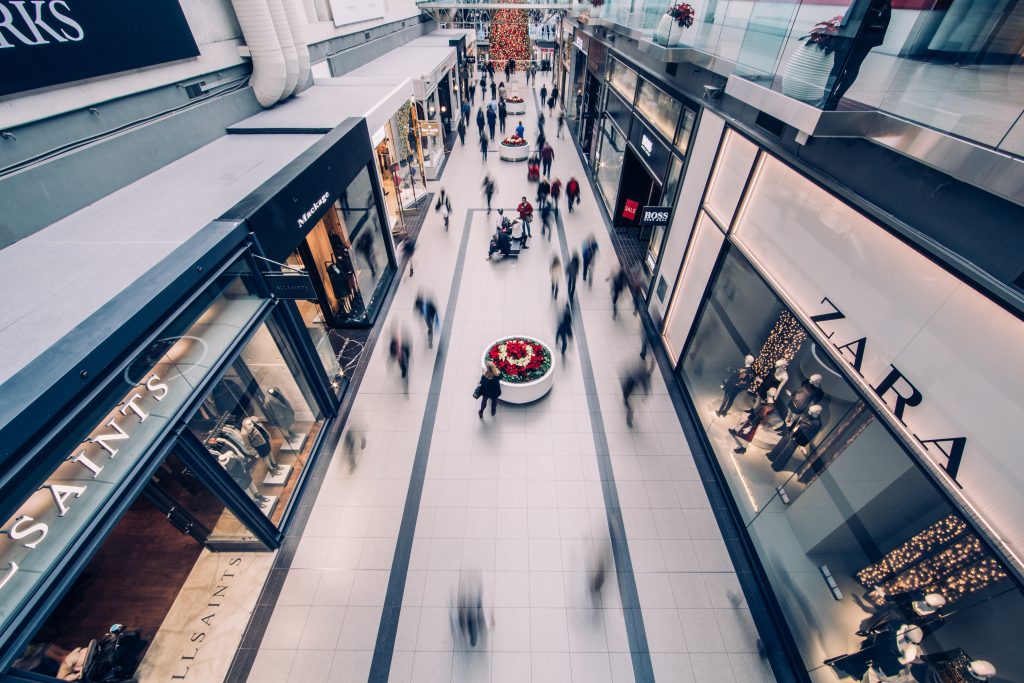
In many European countries, online trade has emerged as a strong force. The declining share of consumer spending on brick-and-mortar retail reflects this. Last year, in the 27 European Union countries, the retail turnover share of private consumption decreased by 1%. On average, EU consumers spend 29.9% of their money on brick-and-mortar retail according to GfK. Germany places lowest of all the 27 EU countries, where consumers devote only 23.7% of their funds to brick-and-mortar retail.
In Europe, brick-and-mortar retail faces new challenges because of the rise of online trade. “A new environmental awareness is emerging among consumers and the issue of sustainability is playing an ever more important role. Brick-and-mortar retailers must respond to this expectation in a way that allows them to secure a competitive advantage over online retail", says GfK retail expert Dr. Johannes Schamel.
EU consumers had an average purchasing power of €16,888 in 2019. This equates to a nominal increase of 3.4% compared to the previous year. The largest purchasing power increase in the EU occurred in Latvia (+8.5%), Lithuania (+7.6%) and Estonia (+6%). This growth was driven by strong economic growth, tax reductions and a minimum wage increase.
During 2019, inflation across all of the 27 EU countries was 1.4%. This was significantly below the 2% target of the European Central Bank.
In 2019, brick-and-mortar retail achieved a nominal turnover growth of 2.1% in the 27 EU countries. This percentage was slightly above the rate of inflation. The most dynamic markets were present in Eastern Europe and the Baltics. Brick-and-mortar retail in Estonia (+6.6%) and Lithuania (+6.5%) benefited from long-standing increases in purchasing power. In addition, Romania (+9.5%) maintained its high growth rate.
The retail turnover share of private consumption experienced a decline of 1% in the EU. This was a result of competition posed by online retail along with fundamental changes to consumer habits in favor of greater spending on services. German consumers devoted the smallest share (23.7%) of their spendings to brick-and-mortar retail. The comparatively strong position of online retail in Germany partly explains this.



By continuing to use the site, you agree to the use of cookies. more information
The cookie settings on this website are set to "allow cookies" to give you the best browsing experience possible. If you continue to use this website without changing your cookie settings or you click "Accept" below then you are consenting to this.