E-commerce is on track for explosive growth over the next five years. A recent study by Juniper Research estimates that global e-commerce payments will exceed US$13 trillion by 2030, up from US$8.3 trillion in 2025 — a growth of approximately 57%. Emerging markets, especially Latin America and the Indian Subcontinent, are expected to lead this surge.
This article explores the drivers of growth, regional trends, competitive dynamics among payment providers, and what merchants need to do to succeed in a landscape increasingly defined by local payment methods and global reach.
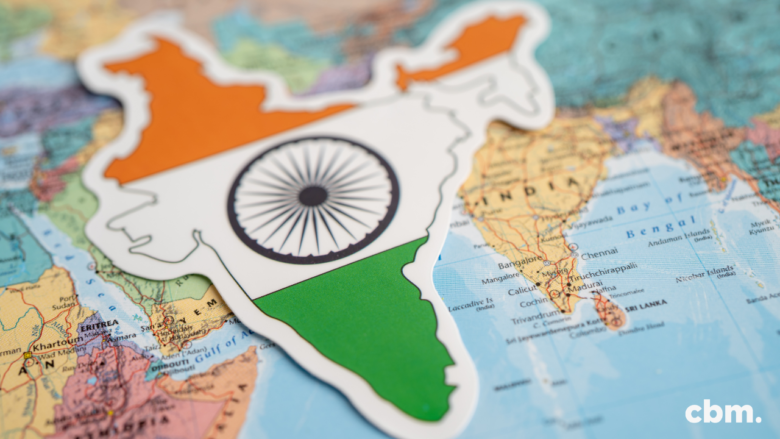
Latin America and the Indian Subcontinent are expected to see the fastest growth rates in e-commerce payments. In regions where credit and debit card penetration has traditionally been low, consumers are adopting alternative local payment methods, enabling large segments of the population to join the digital commerce economy.
Payment methods such as mobile wallets, bank transfers, cash vouchers, and real-time local payment rails are increasingly important. Payment providers who can integrate and support these will have a competitive advantage. Identifying and supporting the right local payment methods for each developing market will be critical.
These enablers help reduce friction, build trust, and make digital transactions easier for consumers and merchants alike.
Competitive Differentiation via Value-Added Services
Beyond simply processing payments, services like fraud detection, dispute management, pricing localization, and regulatory compliance are becoming part of the core offering for top providers. Providers that balance local payment acceptance with value-added services will likely outperform.
To contextualize the Juniper forecast:
These figures suggest that e-commerce as a whole is expanding very rapidly, while the payments component is a major and growing slice of that.
| Region | Expected Key Trends by 2030 |
| Indian Subcontinent | There has been massive growth in internet access, mobile devices, and the increased use of local payments such as UPI in India, alongside high growth in B2C and B2B e-commerce. |
| Latin America | Substantial shift toward digital payment alternatives is underway, driven by a large unbanked and underbanked population adopting real-time transfers and local wallets, alongside regulatory changes that support digital payments. |
| Asia Pacific (excluding India) | Continued leadership in volume, especially in China and Southeast Asia; strong mobile commerce, social commerce, and cross-border trade. |
| Middle East and Africa | Digital payments infrastructure improving; mobile money significant; fintech growth and new entrants; logistical constraints, but huge potential. |
| Developed Markets | Slower growth rates relative to emerging markets, but high value per transaction; focus on optimization, omnichannel strategies, and consumer trust; increasing importance of regulatory compliance. |
According to the Juniper Research e-commerce payment competition leaderboard, the top three providers for 2025 are:
What sets these providers apart is not just transaction size or global reach, but their ability to combine:
However, the leaderboard is tightly clustered; many competitors are offering increasingly similar services. For many providers, differentiation will come down to how deeply they localize and how well they understand regulatory, cultural, and consumer expectations in each market.
To help this article rank, consider targeting the following keywords:
Global e-commerce payments are set to exceed US$13 trillion by 2030 — a remarkable leap driven primarily by emerging markets like Latin America and the Indian Subcontinent. The providers who will succeed will be those who combine global reach with a nuanced local understanding of payment methods, consumer trust, regulation, and fraud mitigation. For merchants, the path forward demands localization, strong technology and partner ecosystems, and an eye on both opportunity and risk.


By continuing to use the site, you agree to the use of cookies. more information
The cookie settings on this website are set to "allow cookies" to give you the best browsing experience possible. If you continue to use this website without changing your cookie settings or you click "Accept" below then you are consenting to this.