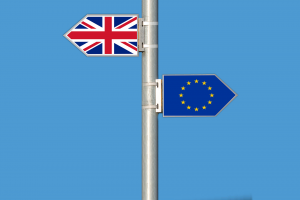
 Avalara predicts that, following the United Kingdom Conservative national election win mid-December 2019, the United Kingdom will push ahead with the Withdrawal Agreement ('WA'). It is likely to plan to exit the European Union on the 31 January 2020. At the end of 2020, that is followed by an exit from the European VAT regime, Customs Union and Single Market.
Following the terms of the WA, the United Kingdom has an exit transition period until 31 December 2020. Up to that moment, no changes will take place and the UK will remain within the EU VAT regime, Customs Union and Single Market. There are a few exceptions. The United Kingdom will have no institutional representation and no role in decision-making processes. The European institutions and other bodies, offices and agencies will continue to exercise their powers under EU law in relation to the UK. The CJEU will have jurisdiction in relation to the UK and to the interpretation and application of the WA.
The current status is that the United Kingdom will leave the EU VAT regime on 31 December 2020. However, within the WA, there is a provision to extend this period with a maximum of two years. This implementation period, therefore, can last until the end of 2022. It is yet unclear what the new UK government wants to do with this. During this period, the European Union and the United Kingdom will talk to negotiate a Free Trade Agreement (FTA), including future tariffs and customs controls on the movement of goods. Find the major changes here.
The UK is likely to exit the EU Customs Union at the end of 2020 as well. The Customs Union was established to remove tariffs and declarations on goods moving between member states. As a result, all goods moving between the UK and EU will require customs declarations and be subject to tariffs. Details have to be negotiated when the EU and the UK seek to agree on an FTA. As a default position, the EU will have to impose the 'most favoured nation' tariff rates set by the World Trade Organisation. The UK has already stated that it will make 87% of goods import tariff-free. This includes goods coming from the EU and the rest of the world.



By continuing to use the site, you agree to the use of cookies. more information
The cookie settings on this website are set to "allow cookies" to give you the best browsing experience possible. If you continue to use this website without changing your cookie settings or you click "Accept" below then you are consenting to this.