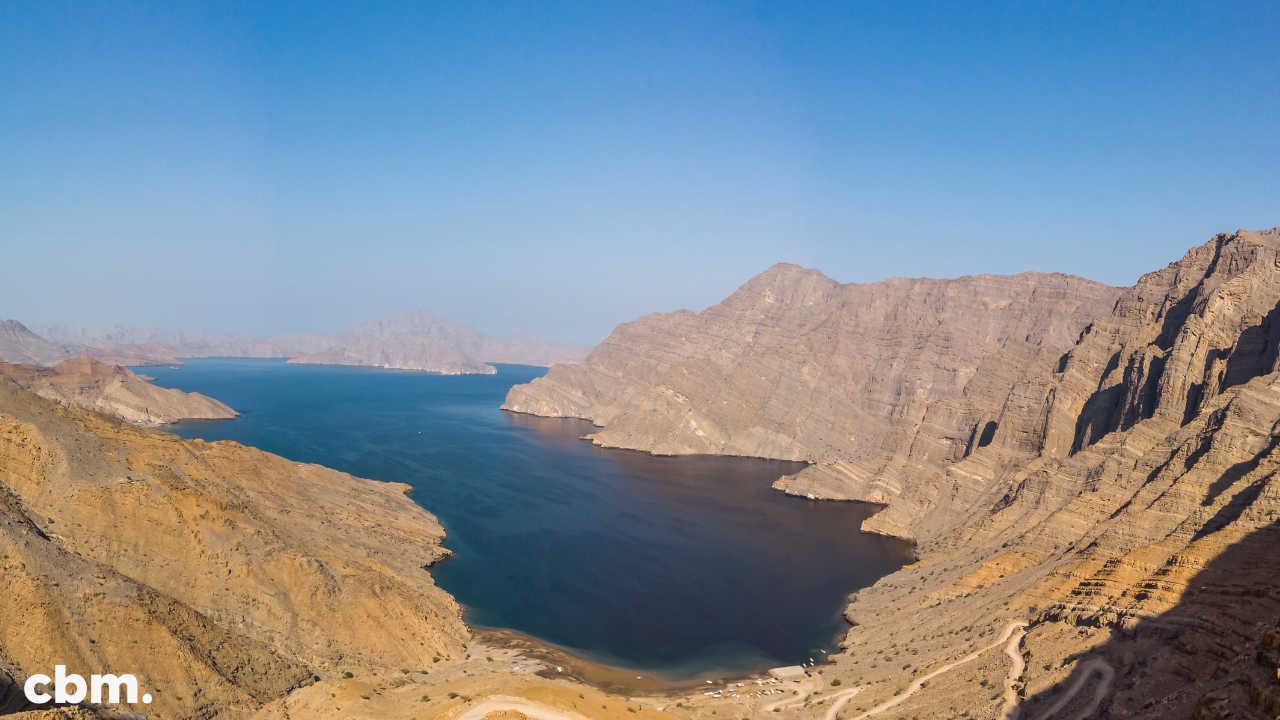
Tensions in June 2025 have brought renewed focus to the Strait of Hormuz and its potential closure—through which roughly 20 million barrels per day (around 20% of global oil and LNG) flow—raising alarms that Iran may blockade or militarily threaten this crucial maritime chokepoint.
On June 22, the Iranian parliament narrowly passed a non-binding motion to close the Strait pending the Security Council's approval. However, analysts view closure as unlikely given Iran’s economic reliance on these exports.
Still, the potential impact of a closure or blockade of the Strait of Hormuz, could be massive. That's why today we want to take a look at this scenario and the consequences it can bring to the global markets.
Oil markets have already reacted: following U.S. strikes on Iranian nuclear facilities, Brent and WTI prices surged over 6%, reaching five-month highs near $76–78 per barrel, before stabilizing around $67–70. Banks like Goldman Sachs warn prices could spike to $110/barrel in a sustained disruption, while Deutsche Bank suggests a ceiling near $120/barrel.
Shipping costs have risen sharply. Tanker rates and insurance premiums have more than doubled since mid-June, with insurers increasing risk surcharges and many vessels delaying passage or rerouting.
Alternative overland pipelines—such as Saudi Arabia’s East-West pipeline (approximately 7 million barrels per day) and the UAE’s Habshan-Fujairah pipeline (approximately 1.8 million barrels per day)—offer some relief, but their combined capacity still falls far short of the nearly 20 million barrels per day that move through Hormuz. Iran’s own Jask pipeline adds only about 300,000 barrels per day. Meanwhile, countries like China are expanding land-based energy links, including the Power of Siberia 2 pipeline, and boosting domestic reserves to reduce dependency.
Key Resources Transiting the Strait of Hormuz
| Product/Resource | Volume per Day (approx.) | Annual Trade Value (USD, approx.) | Potential Global Impact of Disruption |
| Crude Oil | 18–20 million barrels | $800–900 billion | Major oil price spikes, inflation, and energy shortages |
| Liquefied Natural Gas (LNG) | 3.5–4 million tonnes | $150–200 billion | Energy shortages, especially in Asia, and electricity cost hikes |
| Refined Petroleum Products | 1–2 million barrels | $50–100 billion | Fuel price surges, refinery bottlenecks |
| Petrochemicals | 500,000 tonnes | $30–50 billion | Manufacturing cost increases, and downstream supply chain delays |
| Dry Bulk Commodities | 300,000 tonnes | $20–30 billion | Construction and food supply delays in emerging markets |
| Containerized Goods (general) | 25,000 TEU | $100–120 billion | Retail and industrial supply disruptions |
Iran’s leverage rests primarily in its ability to threaten disruption rather than closing the Strait, which would harm its economy and export capability. An international response, likely involving the U.S. 5th Fleet and other allied naval forces, would aim to ensure the continued freedom of navigation.
This evolving risk reinforces the need for scenario-based contingency planning, supply chain diversification, and strategic investment in energy alternatives for corporations and governments.
While a complete closure of the Strait of Hormuz remains unlikely, the very threat has already caused significant global disruption. Rising oil prices, surging shipping costs, and increased geopolitical uncertainty have made it clear: the Strait remains a vulnerable artery of global commerce. Proactive strategies in supply chain resilience and energy diversification are more critical than ever.