The global online art market has experienced significant growth in recent years, reflecting a broader shift toward digital commerce across industries. In 2024, online art sales reached nearly $12,5 billion, doubling from 2019 and accounting for almost 20% of the global art market value. This surge has been fueled by digital platforms, evolving consumer behavior, and technological advancements.
Key Online Marketplaces for Buying Art
Several leading platforms dominate the online art market, providing buyers access to diverse artworks from emerging and established artists.
1. Artsy
The largest online art marketplace, featuring over 1 million artworks from 4,000+ galleries and auction houses.
Offers access to various art styles, including contemporary, fine art, and modern pieces.
2. Saatchi Art
A global platform connecting collectors with original paintings, drawings, sculptures, and photographs.
Focuses on emerging artists and affordable art.
3. Artspace
It specializes in contemporary art and works directly with galleries and museums to provide curated collections.
4. UGallery
A curated online gallery showcasing original artwork across various mediums.
It focuses on mid-career and emerging artists and offers exclusive pieces.
5. Artmajeur
A France-based marketplace featuring paintings, sculptures, drawings, and digital prints.
Offers direct artist-to-buyer transactions.
Top Online Art Galleries & Auction Houses
Many traditional galleries and auction houses have embraced e-commerce, further boosting online art sales.
Sotheby’s & Christie’s: The two largest global auction houses now hold significant online sales, including digital bidding.
Pace Gallery & Gagosian: Leading contemporary art galleries with strong digital presence.
The growth of the online art market varies across regions, driven by cultural influences, economic conditions, and digital infrastructure.
1. United States
Largest market for online art sales, with many collectors and institutions investing in digital platforms.
Average ticket size: Higher-end purchases, including fine art and luxury pieces.
2. Europe
Strong online art sales in the UK, France, and Germany, driven by an extensive gallery presence and art fairs.
Average ticket size: Mid to high range, often influenced by established artists and historical art markets.
3. Asia (China, Japan, South Korea)
China’s online art market is booming, particularly for young collectors and investment-driven buyers.
Japan and South Korea also show growing interest in digital art, including NFTs and contemporary artworks.
Average ticket size: Mid-range but rising due to increasing art investments.
Emerging Trends in the Online Art Market
1. Rise of Digital & AI-Driven Art Buying
AI-powered recommendations are enhancing personalized art discovery.
Virtual and augmented reality experiences allow buyers to visualize art in their space before purchasing.
2. Growth of NFTs & Blockchain in Art
Digital assets and NFTs continue expanding, providing collectors new investment opportunities.
Platforms like Foundation, OpenSea, and Rarible facilitate digital art transactions.
3. Democratization of Art Sales
Direct artist-to-consumer sales models are growing, reducing reliance on traditional galleries.
Social media platforms like Instagram and TikTok have become crucial sales channels for independent artists.
Overall, as digital transformation reshapes the art industry, online sales will continue to expand. Integrating AI, blockchain, and immersive technologies will enhance the art-buying experience. Whether through major online galleries, direct artist platforms, or NFTs, the future of e-commerce in art is dynamic and promising.
A new phase of the European Union’s Artificial Intelligence Act has begun, bringing important transparency obligations into effect for companies using chatbots, generative AI and synthetic content. From 2 August...
As e-commerce continues to expand across Europe, the environmental impact of parcel delivery is becoming increasingly important. More online orders usually mean more delivery vehicles, more stops, more congestion, and...
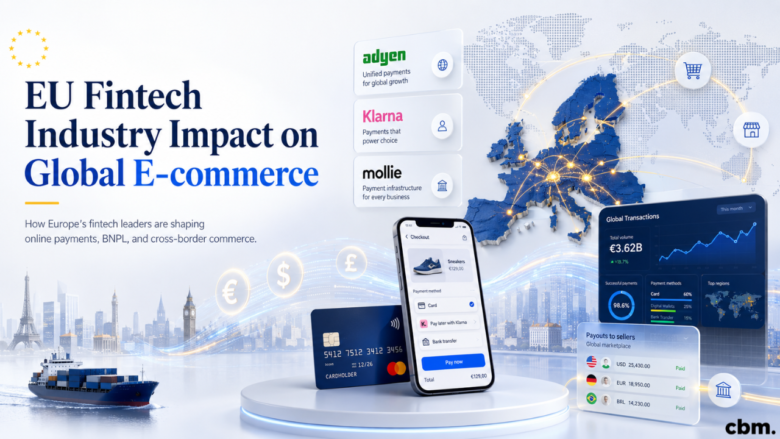
The European Union’s fintech industry has become a major infrastructure provider for global e-commerce. European companies now process trillions of euros in payments, provide financing to millions of online shoppers,...
By continuing to use the site, you agree to the use of cookies. more information
The cookie settings on this website are set to "allow cookies" to give you the best browsing experience possible. If you continue to use this website without changing your cookie settings or you click "Accept" below then you are consenting to this.