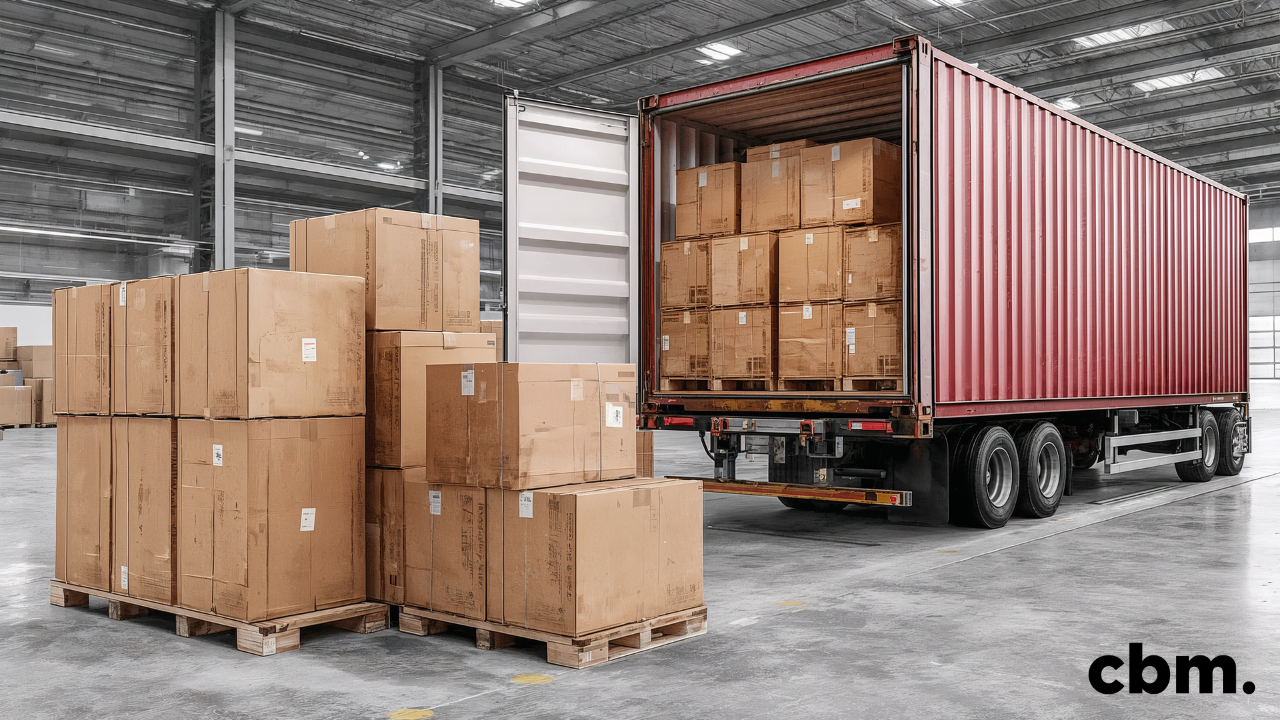
American Eagle Outfitters is stepping back from an ambitious logistics strategy that once aimed to challenge large marketplace-driven fulfillment models. The retailer is winding down its third-party logistics operations, closing several warehouses and retreating from what was widely seen as an “anti-Amazon” approach to e-commerce fulfillment.
The decision marks a significant strategic pivot and offers important lessons for retailers and brands navigating fulfillment, scalability, and profitability in the U.S. e-commerce market.
American Eagle has confirmed it will exit the logistics services business for external brands. The move involves the gradual shutdown of its third-party fulfillment activities and a refocus on logistics capabilities that directly support its own retail and direct-to-consumer operations.
As part of this transition, multiple fulfillment centers that previously served third-party clients are being closed or wound down. Facilities in key logistics hubs, including the Northeast, Texas, and Southern California, are affected. Going forward, American Eagle will maintain a streamlined distribution footprint designed specifically around the needs of its own brands rather than external customers.
Rather than operating as a logistics service provider, American Eagle is concentrating on optimizing inventory flow, speed to customer, and cost efficiency within its own retail ecosystem. Logistics is once again positioned as a strategic enabler of brand performance, not as a standalone revenue stream.
The roots of this strategy go back to the early 2020s, when many retailers began rethinking supply chains in response to rapid e-commerce growth and pandemic-era disruptions.
In 2021, American Eagle acquired Quiet Logistics to build a flexible, distributed fulfillment network. The idea was twofold: improve delivery speed and reliability for its own customers while also monetizing excess capacity by offering fulfillment services to other brands.
This approach was often framed as an alternative to relying on dominant marketplace logistics ecosystems, particularly those associated with Amazon.
While the internal benefits of improved fulfillment were real, scaling the third-party logistics side of the business proved difficult. Demand from external clients did not reach levels sufficient to consistently fill capacity, and the operational complexity of serving multiple brands with different assortments, seasonality patterns, and return profiles added cost and friction.
American Eagle’s retreat highlights broader structural challenges that many retailers face when attempting to become logistics providers.
Third-party logistics is a volume-driven business. Profitability depends on high utilization rates across warehouses, transportation lanes, and labor. Apparel retailers typically experience sharp seasonal peaks and troughs. When those cycles are layered on top of third-party demand, maintaining steady utilization becomes extremely difficult.
Brands looking for fulfillment partners often prefer providers that are operationally and strategically neutral. A logistics provider that is also a direct competitor in the consumer market can raise concerns around data access, peak-season prioritization, and long-term alignment, even when safeguards are in place.
Fast shipping, flexible returns, and real-time inventory visibility are now baseline expectations in U.S. e-commerce. Delivering these capabilities profitably across a diverse set of third-party clients requires significant investment in technology, analytics, and carrier relationships. These demands are easier to justify when fulfillment directly supports a retailer’s own revenue rather than an external services business with thinner margins.
The decision to wind down third-party logistics has implications well beyond American Eagle itself.
For brands evaluating fulfillment partners, this development underscores the importance of long-term stability and strategic clarity. Logistics providers tied to retail strategies may shift priorities as market conditions change, making diversification and contingency planning essential.
American Eagle’s experience shows that “supply chain as a service” is not a natural extension of retail by default. Success in third-party logistics requires a fundamentally different operating model, including dedicated sales capabilities, standardized onboarding, pricing discipline, and technology platforms designed for multi-client environments.
This is not simply a story about competing with Amazon. It is a reminder that large-scale logistics ecosystems benefit from decades of investment, dense networks, and enormous volumes. Retailers can compete effectively on brand, experience, and assortment, but replicating a broad external fulfillment platform is a separate and far more capital-intensive challenge.
American Eagle’s retreat from third-party logistics reflects a broader recalibration happening across retail and e-commerce. Logistics remains a critical competitive advantage when tightly aligned with core business goals. However, turning that advantage into a scalable, profitable service for other brands requires a level of focus and scale that few retailers can sustain.
For e-commerce strategy teams, the key lesson is clear: fulfillment strategies should be designed first and foremost to serve the business you are in, not the business you might hope to become.



By continuing to use the site, you agree to the use of cookies. more information
The cookie settings on this website are set to "allow cookies" to give you the best browsing experience possible. If you continue to use this website without changing your cookie settings or you click "Accept" below then you are consenting to this.