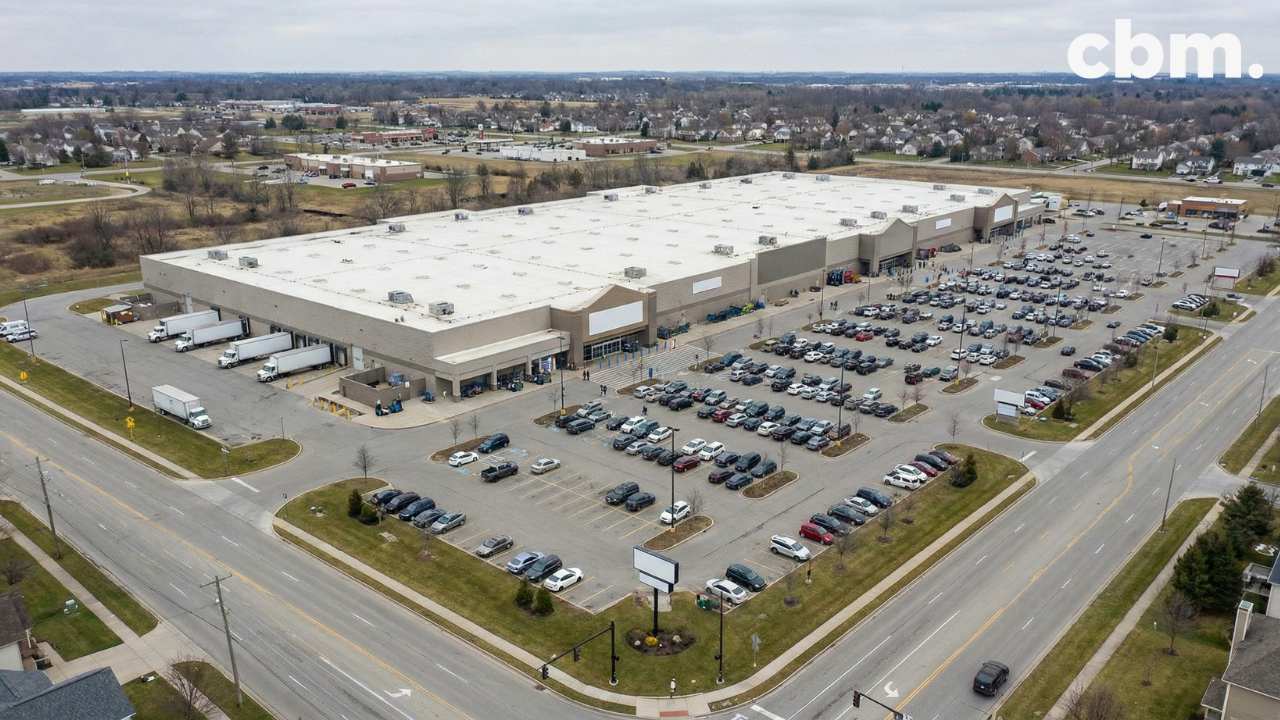
Amazon has announced a new supercenter-style physical store concept in Cook County, Chicago, marking a significant evolution in the company’s retail strategy. The format is designed to resemble a traditional hypermarket, with a scope and ambition similar to those of Walmart's stores, while integrating Amazon’s digital strengths.
This move reflects a broader shift in e-commerce, where the line between online and offline retail continues to blur. Rather than viewing physical stores as a relic of the past, Amazon is positioning them as a strategic extension of its e-commerce ecosystem.
The Amazon supercenter is expected to be a large-format retail space offering thousands of everyday products under one roof. Unlike Amazon Go or Amazon Fresh stores, which focus on convenience or groceries, this concept aims to cover a wide assortment, including household goods, electronics, apparel, and essentials.
The store is designed to function as a one-stop shopping destination, competing directly with established big-box retailers by offering depth and variety across multiple categories.
Customers can expect seamless connections between the physical store and Amazon’s online services, such as account-based pricing, personalized recommendations, and potentially faster access to delivery or pickup options.
The location may also act as a local fulfillment hub, supporting same-day delivery, click-and-collect, and easy returns for online purchases.
Amazon’s decision to invest in a supercenter format is not a step backward from ecommerce, but a strategic response to changing consumer behavior.
Many shoppers now combine online research with in-store purchasing. Physical stores allow customers to see, touch, and take products home immediately, while still benefiting from digital personalization and logistics.
Large physical stores can double as micro-distribution centers, reducing last-mile delivery costs and speeding up fulfillment. This is especially valuable for bulky or high-frequency items.
By adopting a Walmart-style format, Amazon is signaling its intent to compete head-on in categories traditionally dominated by physical retail, using technology and data as differentiators.
The Amazon supercenter announcement highlights several important trends shaping e-commerce today.
Retailers are moving toward unified commerce models where inventory, pricing, and customer data are shared across all touchpoints.
Rather than pure sales floors, stores are evolving into experience centers, logistics nodes, and customer service hubs.
Amazon’s entry into large-format physical retail raises the competitive bar, especially for retailers that lack strong digital infrastructure or advanced data capabilities.
For brands selling through Amazon, the supercenter concept could open new opportunities for visibility and omnichannel exposure. Products may gain placement both online and in physical locations, reinforcing brand presence and potentially boosting conversion rates.
At the same time, it underscores the importance of consistent product data, pricing strategies, and inventory accuracy across channels, as customers will expect a unified experience regardless of how they shop.
Amazon’s supercenter initiative in Cook County is more than a local retail experiment. It is a clear signal that the future of commerce lies in hybrid models that combine the scale and efficiency of e-commerce with the immediacy and trust of physical retail.
As e-commerce matures, the winners will not be those who choose between online or offline, but those who successfully integrate both into a single, coherent customer experience.




By continuing to use the site, you agree to the use of cookies. more information
The cookie settings on this website are set to "allow cookies" to give you the best browsing experience possible. If you continue to use this website without changing your cookie settings or you click "Accept" below then you are consenting to this.