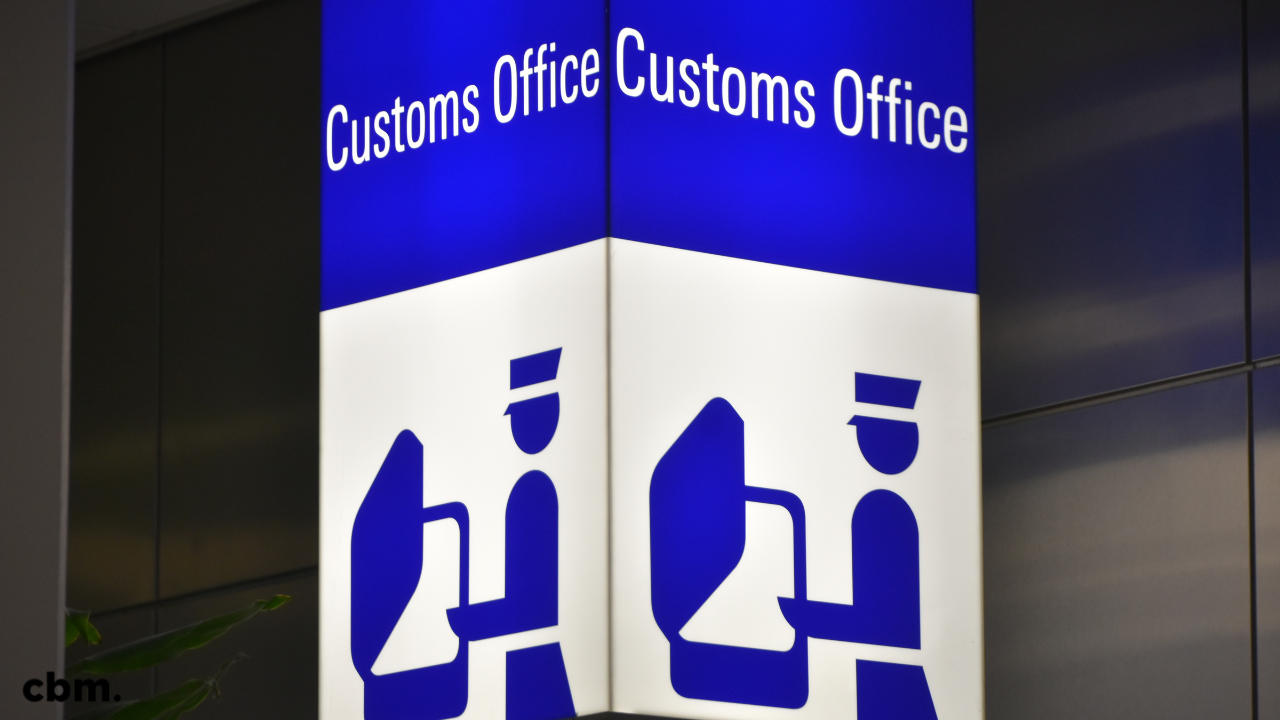
The rapid growth of online retail in the European Union has brought enormous opportunities — and equally significant challenges. One of the most pressing issues is the proliferation of counterfeit and substandard goods sold via digital platforms.
At the heart of the effort to stem this trend lie two key institutions: the European Anti-Fraud Office (OLAF) and the European Union Intellectual Property Office (EUIPO). On 7–8 October 2025, they convened a major international conference in Alicante, Spain, titled “Ordered, counterfeited, unmasked: the global fight against e-commerce fakes”.
This article examines what the conference signified, why the topic is significant for e-commerce stakeholders (particularly in B2B and B2C contexts), and the implications for businesses operating or selling in the EU market.
The joint OLAF–EUIPO conference brought together over 100 participants, including more than 50 national customs authorities from around the world.
Representatives included law enforcement agencies, e-commerce platforms such as Amazon, Alibaba, Temu, Shopee, and Mercado Libre, as well as payment providers like PayPal, and international bodies like the World Customs Organization (WCO).
Topics covered included:
According to the press release, OLAF’s Acting Director-General, Salla Saastamoinen, emphasised that “Counterfeit toys, medicines and electronics are not harmless bargains — they endanger health and safety.”
Moreover, the event marked a shift “from knowledge-sharing to creating the basis for future operational collaboration” among national authorities, customs, platforms, and other stakeholders.
Counterfeit goods are not just a matter of lost revenue for rights holders; they also pose significant risks to consumer health and safety, for example, through fake electronics, counterfeit medicines, and unauthorized toys.
The online channel amplifies the risk due to anonymity, international shipping, and rapid turnover. The EU institutions recognise that controlling these flows is more complex than in traditional retail settings.
The gathering signals that the EU is intensifying its enforcement and regulatory posture regarding e-commerce platforms, logistics flows, and imports. Businesses selling cross-border into the EU must anticipate greater scrutiny — from customs, platform compliance obligations, and IP and consumer law regulators.
Companies offering compliance, IP monitoring, customs advisory, platform safety, and logistics integrity services are well-positioned. The increased regulatory and enforcement environment creates a demand for third-party solutions that enable merchants and platforms to stay ahead of risk.
The joint initiative by OLAF and EUIPO marks a significant milestone in the EU’s push to confront the growing threat of counterfeit goods sold online. For e-commerce operators, brands and logistics players in the European market, the message is clear: the regulatory and enforcement landscape is evolving, and compliance is becoming a competitive differentiator. Those who proactively adapt their processes, deepen their risk controls and collaborate across stakeholders will be better positioned to succeed in a safer, fairer digital marketplace.


By continuing to use the site, you agree to the use of cookies. more information
The cookie settings on this website are set to "allow cookies" to give you the best browsing experience possible. If you continue to use this website without changing your cookie settings or you click "Accept" below then you are consenting to this.