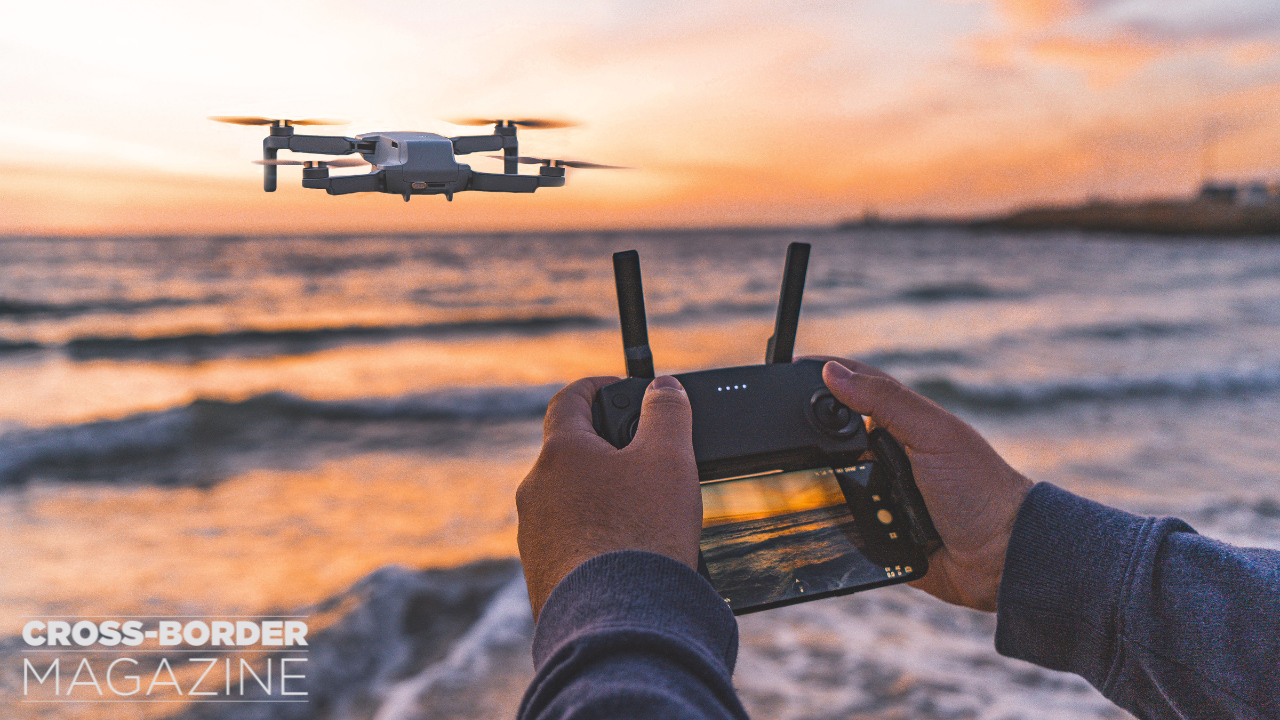
The rise of drone technology has revolutionized various industries, from agriculture to filmmaking. But especially e-commerce. Nowadays, drone usage for e-commerce is slowly becoming a top priority for brands worldwide.
However, the proliferation of drones has also forced the creation of a regulatory framework to ensure safety, privacy, and airspace management. In the European Union (EU), drone regulations are harmonized across member states to create a consistent and safe operating environment. Today, we will review the EU's rules and laws governing drone usage.
The European Union Aviation Safety Agency (EASA) is the primary body overseeing drone regulations within the EU. EASA's mission is to ensure the highest common safety and environmental protection standards in civil aviation.
The main regulatory framework for drones in the EU is outlined in Regulation (EU) 2019/947 on the rules and procedures for operating unmanned aircraft. Effective July 1, 2020, this regulation establishes a unified set of rules applicable to all member states.
In addition to the primary regulation, the European Commission has issued several delegated and implementing acts to provide detailed provisions and operational guidelines. These include the Commission Implementing Regulation (EU) 2020/639, which outlines technical requirements for drone operations.
The EU categorizes drones based on their weight, operational risk, and the nature of the operation. The main categories are:
This category is for low-risk operations. Drones in this category must meet specific technical requirements and are typically used for recreational or commercial purposes. They are divided into three subcategories based on the drone's weight and operational complexity:
The Specific Category is for operations that present a higher risk than those in the Open Category but do not require a full certification. Operators must conduct a risk assessment and obtain permission from the National Aviation Authority (NAA). This category is further divided based on risk assessment outcomes and operational complexity.
The Certified Category applies to the highest-risk operations, including commercial air transport and operations in populated areas. Drones and operators in this category must undergo rigorous certification processes similar to manned aviation.
Operators of drones weighing more than 250 grams must register with their NAA. This registration process typically involves providing personal details and information about the drone. Additionally, operators of drones in the Specific and Certified Categories must obtain appropriate licenses and qualifications.
Remote pilots operating drones in the Open Category must pass an online competency test provided by the NAA. Remote pilots must undergo formal training and certification for more complex operations in the Specific and Certified Categories.
Drone operators must adhere to privacy and data protection laws. This includes obtaining consent before capturing images or video of individuals and ensuring compliance with the General Data Protection Regulation (GDPR).
While the EU provides a harmonized regulatory framework, individual member states may have additional rules or restrictions. Drone operators must familiarize themselves with national regulations in the country where they intend to operate.
Each member state has its NAA responsible for enforcing drone regulations. These authorities handle registrations, licenses, and operational approvals. They also ensure compliance with both EU and national rules.
Non-compliance with drone regulations can result in penalties, fines, and operational restrictions. Enforcement mechanisms vary by country but generally involve inspections, monitoring, and legal proceedings.
EASA is continuously working on refining drone regulations to address emerging technologies and operational challenges. Future developments may include updates to existing rules, new operational categories, and enhanced safety measures.
As drone technology evolves, regulatory frameworks must adapt to new capabilities and applications. This includes advancements in automation, artificial intelligence, and integration with manned aviation.
The regulatory landscape for drones in the European Union is designed to balance innovation with safety and privacy. By adhering to EU regulations, drone operators can contribute to a safe and efficient airspace while ensuring compliance with legal requirements. As the industry evolves, staying informed about regulatory changes and best practices will be essential for both recreational and commercial drone operators.
This guide provides an overview of the key aspects of drone regulations in the EU. For more detailed and specific information, it is recommended that you consult the relevant EASA documents and national aviation authorities.




By continuing to use the site, you agree to the use of cookies. more information
The cookie settings on this website are set to "allow cookies" to give you the best browsing experience possible. If you continue to use this website without changing your cookie settings or you click "Accept" below then you are consenting to this.