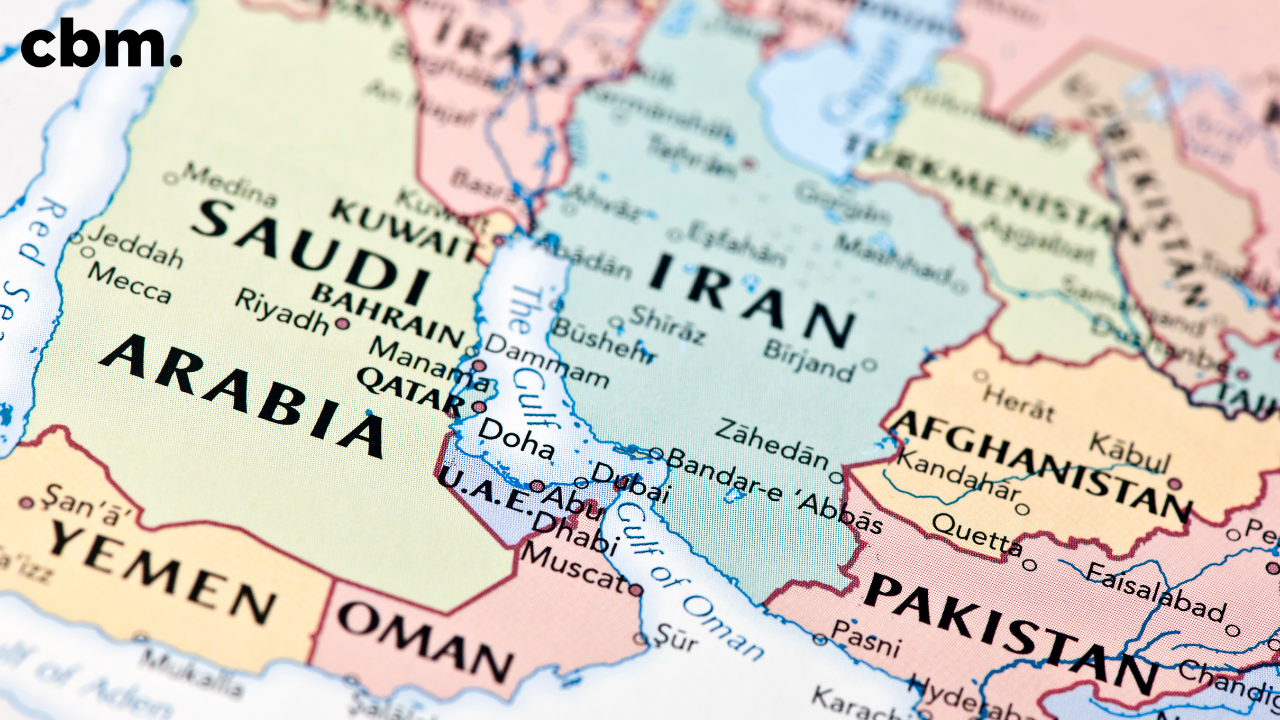
The Strait of Hormuz is one of the most strategically important maritime chokepoints in the global economy. Located between Iran and Oman, this narrow waterway connects the Persian Gulf with the Arabian Sea and serves as the primary export route for oil and gas from major Gulf producers such as Saudi Arabia, Iraq, Kuwait, Qatar, and the United Arab Emirates.
Despite being only about 33 kilometers wide at its narrowest point, the strait carries enormous volumes of global energy trade. On average, approximately 20 million barrels of oil pass through the corridor each day, representing around 20 percent of global petroleum consumption.
The waterway is also essential for natural gas trade. Around one fifth of the world's liquefied natural gas shipments move through the Strait of Hormuz, with Qatar playing a central role in this flow.
Because such a large share of global energy supply depends on this narrow maritime corridor, any disruption would have immediate and far-reaching consequences for international markets, logistics networks, and economic stability.
A closure of the Strait of Hormuz would first and foremost create a major shock in global energy markets. Removing a large portion of Middle Eastern oil from international supply chains could instantly tighten global markets and drive crude oil prices significantly higher.
Energy analysts often warn that a sustained disruption could push oil prices well above 100 dollars per barrel. Such a spike would increase fuel costs worldwide and feed directly into inflation across multiple sectors.
Transportation would become more expensive, affecting shipping, aviation, and road logistics. Manufacturing costs would also rise as industries that rely heavily on energy, such as chemicals, steel, and plastics production, face higher operational expenses.
Global supply chains would also experience disruption. Tankers and cargo vessels might avoid the region due to security concerns, insurance costs could rise sharply, and shipping companies might reroute vessels through longer and more expensive routes. These disruptions would likely lead to delays in the delivery of energy products and industrial inputs.
Financial markets would react quickly to such uncertainty. Historically, geopolitical tensions affecting major energy routes have led to stock market volatility, rising commodity prices, and increased demand for safe-haven assets such as gold.
In addition to oil, global trade in petrochemicals, fertilizers, and liquefied natural gas would also be affected. This could indirectly influence food production, industrial output, and energy generation in many parts of the world.
Overall, a closure of the Strait of Hormuz would represent one of the most significant supply shocks the global economy could experience.
Although Europe imports energy from a variety of sources, the European Union would still face significant consequences if the Strait of Hormuz were closed.
Even if European countries do not import all their oil directly from the Gulf, energy markets are globally interconnected. A supply shock in the Middle East would push global oil prices upward, increasing energy costs for European economies regardless of where the oil originates.
Higher oil prices would raise transportation and logistics costs across the continent. Airlines, shipping companies, and road freight operators would face rising fuel expenses, which would eventually be passed on to businesses and consumers.
Natural gas markets in Europe could also experience pressure. Liquefied natural gas shipments originating from the Gulf, particularly from Qatar, play a role in the European energy mix. Any disruption to LNG exports could tighten supply and increase gas prices.
European industry could also face competitiveness challenges. Energy-intensive sectors such as chemicals, metallurgy, construction materials, and fertilizers rely heavily on stable energy prices. A prolonged increase in energy costs could reduce profit margins and slow industrial production.
Higher energy prices would also affect household energy bills, potentially increasing inflation across the European Union and putting additional pressure on governments and central banks.
The United States is less directly dependent on Middle Eastern oil than it was in previous decades, largely due to the expansion of domestic oil production. Nevertheless, the U.S. economy would still feel the effects of a closure of the Strait of Hormuz.
Oil is traded in a global market, which means that supply disruptions in one region quickly affect prices worldwide. Even if the United States imports relatively small volumes of Gulf oil, a reduction in global supply would drive up crude prices and increase gasoline costs for American consumers.
Higher fuel prices would affect transportation, logistics, and agriculture. Trucking companies, airlines, and shipping operators would face higher operating costs, which would ripple through the broader economy.
Financial markets in the United States would likely react with increased volatility. Energy companies could benefit from higher prices, but broader equity markets might decline due to concerns about inflation and slower economic growth.
The U.S. government could respond by releasing oil from the Strategic Petroleum Reserve in order to stabilize markets and offset short-term supply disruptions. However, such measures would only provide temporary relief if the disruption were prolonged.
In addition, a closure of the Strait of Hormuz would have important geopolitical implications for the United States. Ensuring freedom of navigation through critical maritime routes has long been a central element of U.S. strategic policy, and any attempt to block the strait would likely prompt strong diplomatic and military responses.
The Strait of Hormuz remains one of the most critical maritime chokepoints in the global economy. Carrying roughly one fifth of the world's oil and a substantial share of global liquefied natural gas shipments, it plays a central role in global energy security and international trade.
A closure of this strategic waterway would trigger immediate energy price spikes, disrupt global shipping routes, and create inflationary pressures across many economies. Both the European Union and the United States would face economic consequences, ranging from higher energy costs to supply chain disruptions and financial market volatility.
The risks associated with the Strait of Hormuz highlight the importance of secure trade routes, diversified energy sources, and resilient global supply chains in an increasingly interconnected world.




By continuing to use the site, you agree to the use of cookies. more information
The cookie settings on this website are set to "allow cookies" to give you the best browsing experience possible. If you continue to use this website without changing your cookie settings or you click "Accept" below then you are consenting to this.