Multi-carrier shipping helps online retailers adapt delivery to the countries they sell into. A service that performs well in one market may offer different coverage, collection options or customer recognition in another. For cross-border e-commerce, choosing the destination delivery partner is therefore a commercial decision as well as an operational one.
DHL’s 2026 e-commerce survey findings show the importance of trust: 78% of surveyed European shoppers would not buy from a retailer if they did not trust its delivery or returns provider. The finding supports making carrier selection part of the customer experience, although it does not prove that a local operator will always outperform an international network.
In the same 2026 research, 80% of European shoppers said they would abandon a cart if their preferred delivery options were unavailable. Globally, 67% reported having abandoned a purchase because the delivery offering did not meet expectations. The first measure concerns stated intention; the second concerns reported past behaviour.
For international orders, the offer includes more than speed. Total shipping cost, available collection points, tracking and the identity of the final-mile provider can all affect whether a customer feels confident enough to complete checkout.
A multi-carrier approach allows retailers to configure that offer by destination. It can be delivered through direct contracts, an aggregator or a lead logistics partner with access to several delivery networks.
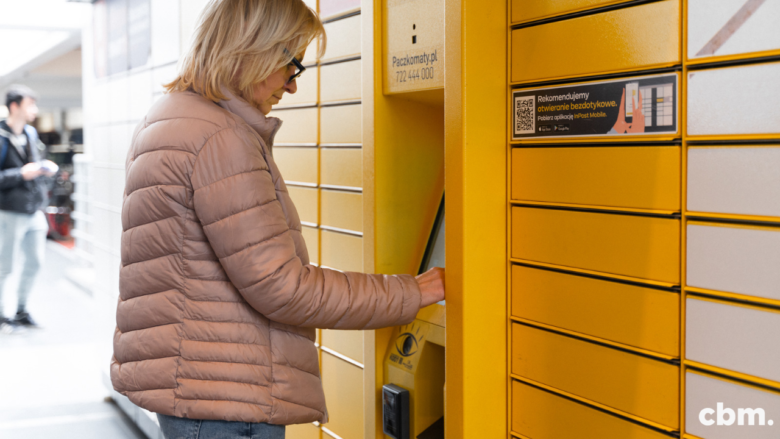
InPost’s 2025 annual report illustrates how a regional specialist can operate at substantial scale. In Poland, it handled 763.1 million parcels, up 8% year on year, and ended the year with 28,165 automated parcel machines.
Those figures demonstrate capacity and network depth, rather than establishing that one operator is the right choice for every shipment. Retailers still need to evaluate product dimensions, destination coverage, service terms and actual performance.
Local expertise can also mean understanding how customers prefer to receive parcels. PostNord’s Spring 2026 Norway findings show service points as the most-used delivery method, while home delivery remains the most preferred. A retailer offering only one format could miss part of that demand.
Carrier selection should start with the shipping lanes that matter most. Retailers can compare delivery success, transit-time consistency, postcode surcharges, claims handling and returns access for each destination.
Product characteristics also influence the decision. A locker network may suit small parcels, while bulky, high-value or time-sensitive orders may require different services. The lowest label price does not necessarily produce the lowest cost per successfully completed order.
A second carrier can provide useful capacity or coverage, but only if the alternative has been integrated and tested. Retailers need compatible labels, tracking events and a clear process for switching services during disruption.
Adding carriers creates operational work. Different tracking systems, collection deadlines and claims procedures need to be translated into clear information for customers and support teams.
Retailers should define which services appear at checkout and which are selected behind the scenes. Where a customer chooses a named carrier or collection point, fulfilment should respect that choice. Unexpected substitutions can undermine the trust that a broader carrier strategy was intended to build.
Returns deserve their own assessment. An effective outbound carrier may not provide the most convenient return network, and customers need clear instructions regardless of which provider handles the parcel.
The business case should be tested against completed orders, rather than the number of carriers connected. Useful measures include checkout conversion, delivery success, support contacts, return costs and contribution margin by destination.
Multi-carrier shipping supports cross-border growth when each provider has a defined role. Combining local network strengths with consistent tracking and customer communication can help retailers deliver an international order with the reliability customers expect at home.


By continuing to use the site, you agree to the use of cookies. more information
The cookie settings on this website are set to "allow cookies" to give you the best browsing experience possible. If you continue to use this website without changing your cookie settings or you click "Accept" below then you are consenting to this.