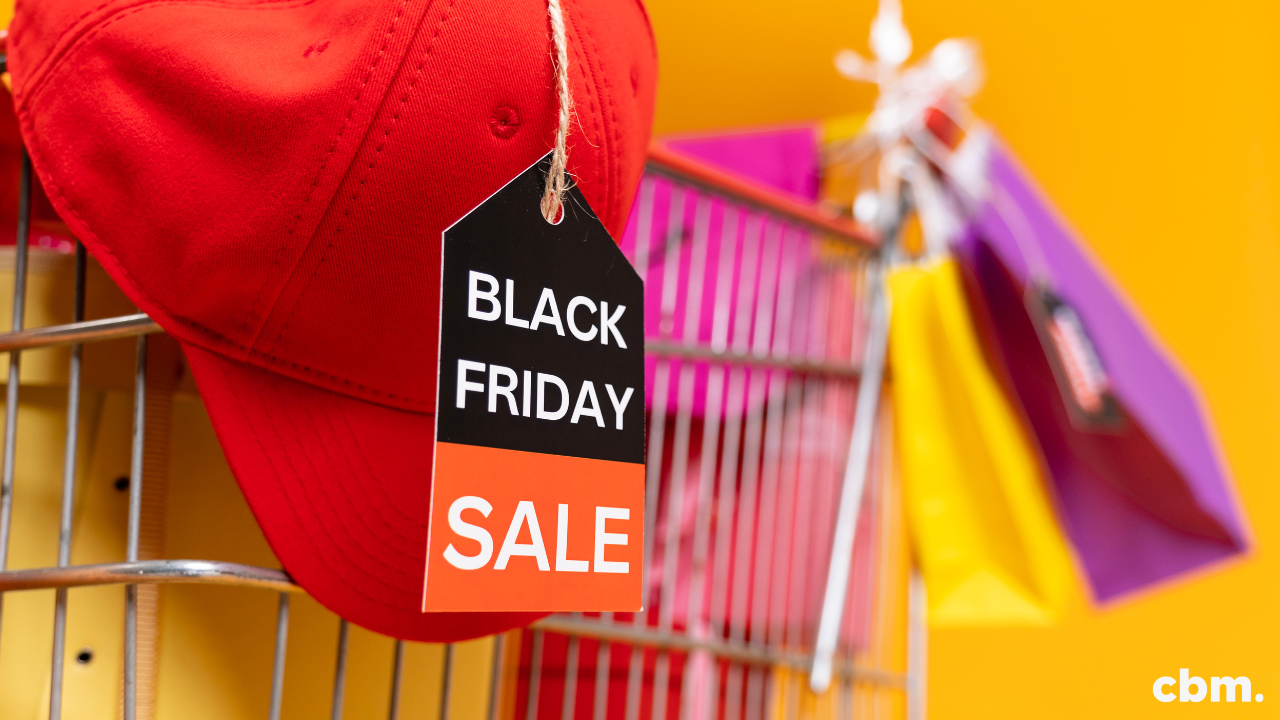
Black Friday 2025 falls on Friday, November 28, with Cyber Monday on December 1. Expect promotions to roll out from early November and intensify through Cyber Week. Shoppers now treat Black Friday as a month-long season, not a single day.
Mobile devices will carry more of your revenue than desktop devices. In 2024, mobile accounted for roughly 55% of online spending, with peak days seeing even higher spikes. Plan your experiences and check out for phones first. Cyber Week demand remains massive, but margins are squeezed by returns and discounting, so efficiency matters.
Early demand starts in October. Consumers research and buy earlier to spread costs—so your awareness, list growth, and pre-sale campaigns need to begin weeks before Black Friday. That's why we have prepared a comprehensive Playbook to help you fine-tune your strategies and boost profitability in the upcoming King of all Sales Seasons!
Aim for LCP ≤ 2.5s, INP ≤ 200ms, and CLS < 0.1 on key landing pages, PDPs, and checkout. These thresholds align with Google’s guidance and correlate with better UX and SEO stability.
Even a 0.1s speed improvement can significantly boost retail conversions; shaving seconds off load time reduces abandonment. Treat performance as a direct lever on Black Friday revenue.
Pre-render hero images, lazy-load below-the-fold assets, minimize third-party tags, serve next-gen images, cache aggressively, and freeze nonessential code deploys during peak week. Track CWV via Search Console and real-user monitoring.
Plan tiered discounts that escalate as you approach Cyber Week, with clear hero offers and category depth. Keep at least one margin-friendly bundle or GWP to protect AOV and profit.
Publish evergreen gift hubs and SEO’d guides by early November so they have time to rank and get shared. Optimize titles and H1s with intent terms like “best gifts for…”, add comparison blocks and FAQs to capture long-tail queries.
Forecast on last year’s Cyber Week unit sales, add mobile uplift, then layer promotional elasticity. Create substitutes for high-risk SKUs to avoid stockouts that kill paid performance mid-campaign.
Enforce address autocomplete, guest checkout, wallet payments, and a one-screen mobile flow. Test capacity and failover paths now, not the week of the event.
Prominent 90-day or extended holiday returns and precise delivery cutoffs improve conversion and reduce WISMO tickets. Publish cutoffs sitewide and in cart to set expectations.
Use transactional emails and SMS to cross-sell accessories and drive referrals. Returns are costly during peak periods—optimize fit guidance, sizing charts, and UGC to reduce preventable returns. Industry data shows high returns can erode margins even in record-sales seasons.
Grow lists from October with early-access perks. Build automations: price-drop, back-in-stock, browse/product/cart abandonment. Schedule SMS for high-intent moments and protect quiet hours. Mobile already drives the majority of holiday revenue—tune creative for small screens and fast scannability.
Warm audiences with educational and gifting content in early November; pivot to aggressive retargeting during Cyber Week. Use feed-driven creative to showcase price/stock freshness, and deploy “deal extension” messages across Cyber Weekend.
Lean into predictive audiences and creative testing to allocate budget by SKU margin and inventory depth. Feed product scoring back into merchandising to prioritize profitable winners.
Create a static /black-friday destination that persists year-round to accumulate authority. Internally link from the navigation in November and swap the hero content post-event to “Cyber Week” or “Holiday Gifts” to maintain relevance.
Autocomplete, synonyms, and merchandising rules should pin doorbusters to the top. Audit zero-result queries and add synonyms before peak.
Many brands and businesses depend on marketplaces like Amazon and Temu, and there, the competition is fierce. Black Friday on Amazon and Temu is the Vietnam of e-commerce, and you need to be ready for it!
Use Amazon’s official peak readiness guidance to map timelines for inventory, shipping, and storage. Expect deal submission cutoffs and merchandising windows to tighten as Black Friday nears; Lightning Deals typically run 4–12 hours and Best Deals span days. Lock your calendar now.
To be Prime-badge ready for Black Friday, inbound FBA inventory typically needs to arrive well before late October. While exact 2025 cutoffs vary by node and category, last year’s guidance and seller communications emphasized mid-October arrivals to ensure readiness. Build slack into your plan and track FC receiving daily.
Calibrate discounts by contribution margin, not just top-line lift. Combine a few headliner Lightning Deals with broader Coupons and Best Deals for sustained visibility. Guardrail with min-price and min-margin rules in your repricer to prevent race-to-the-bottom dynamics.
Tighten titles, bullets, and A+ with seasonal keywords; refresh main images and add comparison charts. Ensure 15–20 recent reviews on hero SKUs, target 4.2+ rating, and fix suppressions. Prepare backups for variations to avoid losing the buy box on OOS.
Split campaigns for deal SKUs vs evergreen. Increase Sponsored Products coverage on branded and high-intent queries during deal windows; scale Sponsored Brands Video to own category terms; use DSP to retarget detail-page viewers and cart abandoners through Cyber Week.
Monitor FC transfers and reserved units; pre-create FBM offers on bestsellers as insurance—staff weekend shifts for catalog, ads, and support. Coordinate with 3PL for late-night label failures and unexpected FC diversions.
Amazon timelines and deal policies can shift; confirm Seller Central updates weekly and watch third-party checklists to catch nuanced changes in late August–October.
Temu, backed by PDD Holdings, has been shifting from cross-border only toward recruiting merchants with local inventory to improve delivery and mitigate tariff exposure. In 2025, U.S. policy changes around de minimis added pressure, affecting Temu’s user growth and seller operations, and accelerating local-fulfillment initiatives. Sellers should plan for operational changes and stricter compliance.
Temu charges transaction commissions and leans on aggressive couponing and platform-driven promos; align your price strategy with Temu’s deal culture. Temu offers a 90-day return window for most items, which impacts margin—engineer packaging, QA, and sizing clarity to reduce returns. Track whether the first return shipping is free for buyers in your category and adjust pricing accordingly.
If you participate in Temu’s local-seller or faster-ship programs, sync inventory, meet dispatch SLAs, and stand up compliant labeling and customs documentation where applicable. Several 2025 guides highlight Temu’s push for local fulfillment options and the need for tight OMS integration.
Temu’s algorithm rewards sharp pricing, high conversion, and low defect rates. Win with:
Respond to messages within SLA, resolve issues fast to avoid penalties, and monitor review velocity. Given reports of supplier tensions over fines and policy enforcement, build a compliance checklist and keep documentation for disputes.
Split stock across FBA, your 3PL, and Temu/local channels to de-risk receiving delays. Model safety stock for transfer times and peak-day spikes. Create FBM or local-ship fallbacks.
Map floor prices by SKU and region; set automated rules to pause discounting when contribution margin drops below target. On Amazon, protect buy box eligibility; on Temu, balance algorithmic visibility with sustainable net margins.
Assume most sessions are mobile. Design tiles, A+ or Store pages, and Temu image sets for fast scanning and clear price/value communication. Holiday overlays and “giftable” badges can lift CTR.
Scale chat, extend hours over the long weekend, and publish self-serve help for delivery cutoffs, returns, and gift receipts. Quick resolution protects ratings that power organic visibility and ad efficiency on both marketplaces.
This playbook is structured for quick execution across brand sites and marketplaces so you can maximize profitable growth throughout November and Cyber Week.




By continuing to use the site, you agree to the use of cookies. more information
The cookie settings on this website are set to "allow cookies" to give you the best browsing experience possible. If you continue to use this website without changing your cookie settings or you click "Accept" below then you are consenting to this.