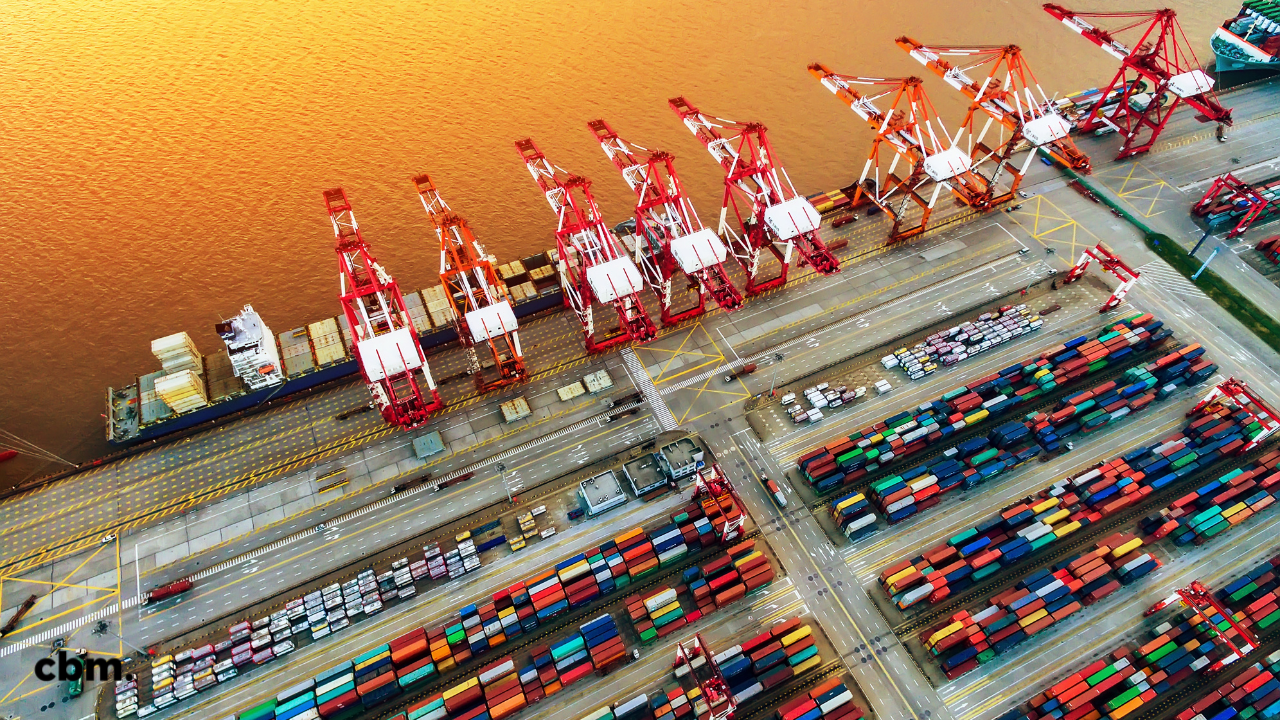
Europe is reportedly losing around €50 billion each year to tax evasion and customs fraud, according to the European Union’s chief prosecutor. The scale of the problem underscores how organized criminal networks exploit regulatory gaps in cross-border trade, particularly through the e-commerce logistics chain.
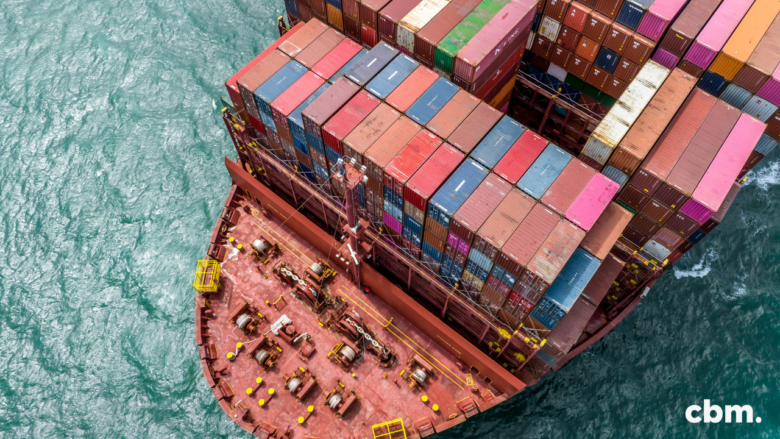
One of the most notable examples is Operation Calypso, an investigation led by the European Public Prosecutor’s Office (EPPO) that has resulted in the EU’s largest seizure of shipping containers to date. Authorities accuse the fraud network of systematically underreporting the value of Chinese imports to evade VAT and customs duties—a scheme that spans at least 14 EU countries. In total, over 2,400 containers have been confiscated.
The probe spans 14 EU member states, targeting criminal networks that orchestrate the import, misclassification, undervaluation, and onward distribution of goods from China.
Seized shipments include e-bikes, e-scooters, textiles, and footwear, frequently declared at grossly undervalued levels to minimize their duty base.
Authorities estimate losses from Calypso amount to around €700 million in evaded customs and VAT over multiple years. The EU’s anti-fraud office (OLAF) has made significant contributions by combining data analytics and cross-border coordination to identify suspicious trade patterns.
Investigators have arrested several individuals, including customs officers and brokers, and frozen assets such as real estate, bank accounts, and vehicles across multiple jurisdictions.
The Calypso case also exposed how criminal groups exploited Customs Procedure 42 (CP42) loopholes — a regime that allows VAT-exempt imports if goods are shipped further within the EU — turning it into a mechanism for fraud rather than legitimate intra-EU trade.
During a recent address in Piraeus, the EU’s chief prosecutor emphasized that customs and VAT fraud have become among the most profitable criminal activities in the European Union. The €50 billion figure represents the estimated annual loss to public finances across all member states.
Though Calypso is the most visible case, it reflects a systemic problem — an extensive network of shell companies, corrupt intermediaries, and undervaluation schemes operating across borders. The sophistication of these operations, combined with inconsistent enforcement among member states, continues to drain EU revenue and distort competition in the internal market.
Operation Calypso serves as a warning: customs authorities and regulators are likely to intensify inspections, audits, and risk profiling of imports, especially from high-risk origins such as China. Businesses in e-commerce and logistics should prepare for stricter declaration standards and enhanced due diligence procedures.
A key weakness exposed by Calypso is the fragmented flow of data between exporters, carriers, customs, and marketplaces. EU institutions are advocating for greater real-time data sharing, AI-based anomaly detection, and digital audit trails. Platforms and importers will need systems ensuring full supply chain transparency and verifiable product valuation.
As enforcement tightens, online marketplaces may face direct liability for ensuring customs compliance by third-party sellers. Discussions about designating platforms as “deemed importers” are gaining traction, potentially holding them responsible for proper VAT and duty declarations.
Many low-cost e-commerce models depend on undervaluation and minimal customs oversight. As authorities close these loopholes, such models may become less profitable or unsustainable. Logistics providers facilitating these flows could face operational and legal risks if compliance controls are weak.
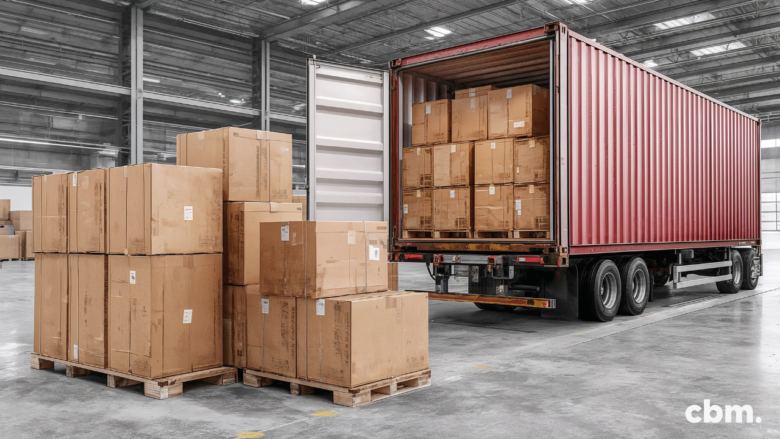
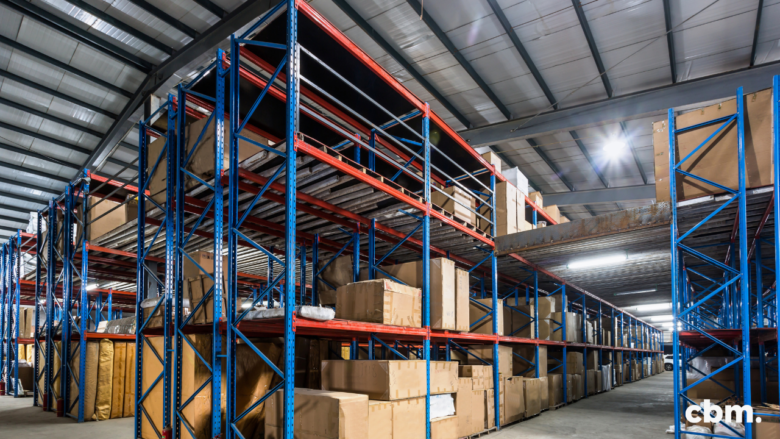
To mitigate exposure, importers may relocate inventory inside the EU, reducing customs vulnerability and benefiting from simplified internal trade flows. This trend aligns with the EU’s broader customs reform proposals, which include incentives for using EU-based warehouses through reduced handling fees.
Operation Calypso and the €50 billion annual fraud estimate highlight a turning point for EU trade and logistics. The European Commission, EPPO, and OLAF are signaling a tougher stance against customs manipulation, underreporting, and e-commerce tax evasion.
For legitimate businesses, this new environment offers both challenges and opportunities — compliance costs will rise, but so will trust and fairness in the European market. The coming years are likely to redefine how global supply chains interact with EU customs, with transparency and digital accountability at the core of this transformation.

By continuing to use the site, you agree to the use of cookies. more information
The cookie settings on this website are set to "allow cookies" to give you the best browsing experience possible. If you continue to use this website without changing your cookie settings or you click "Accept" below then you are consenting to this.