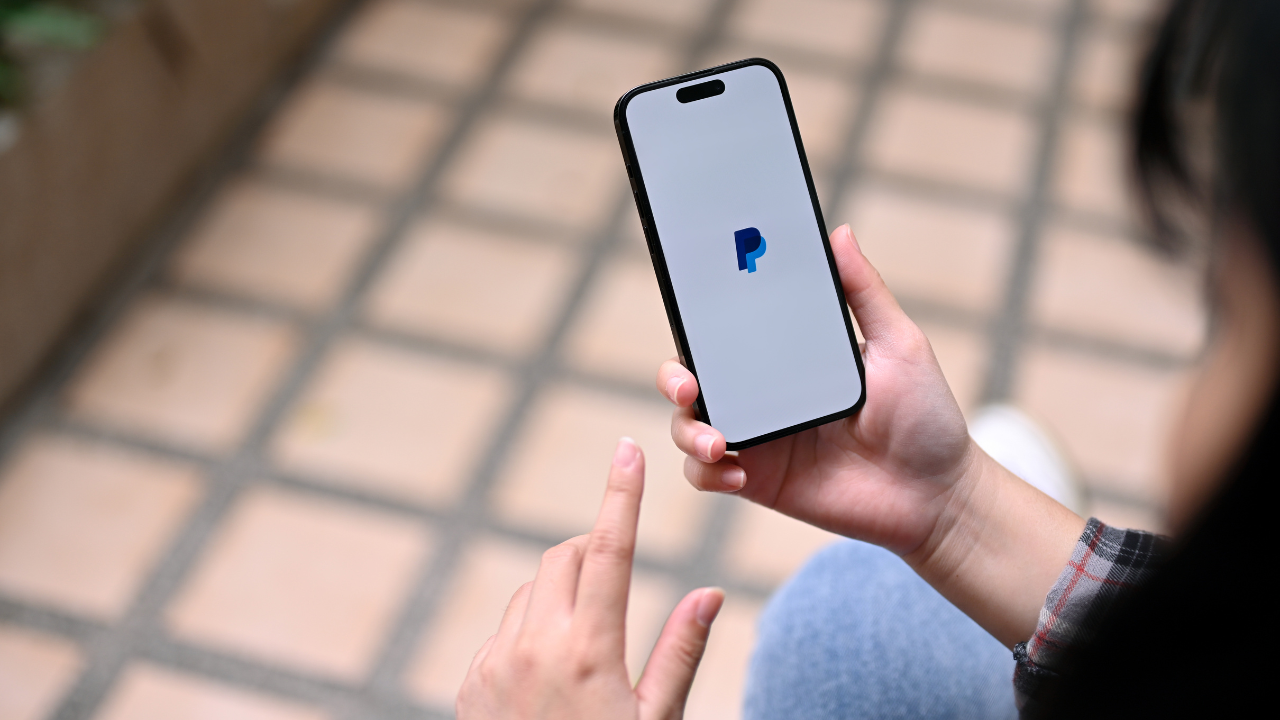
PayPal is reading for the imminent entry into force of the EU's Digital Services Act (DMA) with a new initiative: offline payments. TechCrunch reported that the company plans to expand its dominance into physical transactions.
For PayPal, the DMA represents a significant shift from allowing third-party apps to access NFC technology, which currently powers Apple Pay. This way, iPhone users can choose alternative mobile wallets as their default option. At this time, the company has not disclosed much more detail about its plans with respect to Apple's DMA compliance or how it will specifically affect PayPal.
In the words of Alex Chriss, CEO of PayPal, "The company's strategy is focused not only on continuing its successful collaboration with Apple but also on exploring new avenues to meet its users' demand for omnichannel and offline solutions."
While the CEO did not reveal specific details on when PayPal will implement DMA-enabled offline solutions, he assured that "the company will be ready to do so as soon as the new functionality is available."
PayPal's foray into physical payments is not new. Over the past decade, PayPal has made several attempts, from partnerships with national retailers in the U.S. to developing mobile wallet technologies and using QR codes. However, despite these efforts, Apple Pay has remained the main player in this sector, especially in the United States.
In Europe, on the other hand, mobile wallets have a high penetration rate. According to the latest studies, the majority (72%) actively engage with this technology.
By 2024, the size of the mobile payments market in Europe is estimated to reach $108.35 billion (€100,611.7 million); and $373.29 billion (€346,627 million) by 2029. While Apple and Google have gained ground, according to the data, 90% of Europeans have used PayPal's services.
The DMA, which will come into force on March 7, is designed to end persistent unfair practices in the digital ecosystem and address the role of digital gatekeepers in the online marketplace.




By continuing to use the site, you agree to the use of cookies. more information
The cookie settings on this website are set to "allow cookies" to give you the best browsing experience possible. If you continue to use this website without changing your cookie settings or you click "Accept" below then you are consenting to this.