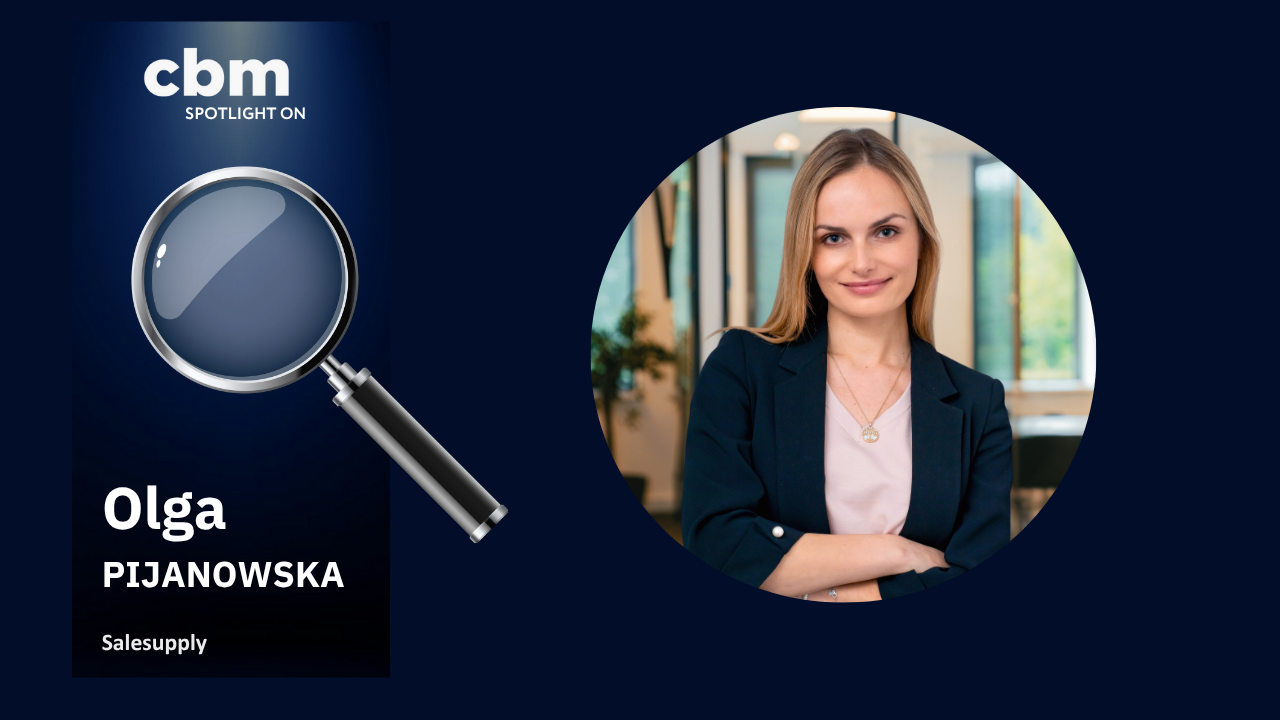
We’re excited to introduce Olga Pijanowska, the new Business Developer for Spain at our partner Salesupply. With a strong background in cross-border e-commerce, Olga brings fresh energy, expertise, and a deep understanding of the Spanish market.
As the new face of Salesupply Spain, she will be helping ambitious online sellers expand internationally with smart logistics, localized customer service, and tailored market entry strategies.
O: Having lived in Spain for years and worked in e-commerce for over a decade, I’ve seen that one of the biggest challenges for Spanish brands going international is adapting to the local e-commerce culture.
A lot of businesses try to take what worked in Spain and just apply it to other markets, but that rarely works out. Each country has its own habits, trends, and expectations. What people expect in terms of delivery, payments, or even how a product is presented can be totally different. So proper localization is key -iIt’s about making sure the offer, communication, and experience really fit the local customer.
There’s also the logistics angle - Spain isn’t as centrally located as, Germany or the Netherlands, which can make cross-border shipping trickier. To stay competitive with delivery times and costs, many Spanish brands end up needing local fulfillment partners in other European countries. It’s an extra layer to manage, but it makes a big difference when scaling internationally.
O: Yes, I used to work at Stileo.es, a fashion affiliate platform that worked a bit like a price comparison site, redirecting users to online stores. These kinds of platforms aren’t as popular anymore because Google Shopping and CSS partners have taken over that space.
But affiliate marketing in fashion is still very powerful, just in a different form. Spanish brands should focus on partnerships with local influencers, fashion blogs, lifestyle media, and CSS services in the markets they want to enter. It’s a great way to build brand visibility in a natural, relevant context and a low-risk channel to test new international markets.
O: Honestly, it’s the classic mistake of thinking what works in Spain will work everywhere else. Every market is different, with its own customer habits, regulations, and expectations.
I always say: compliance first, make sure your VAT setup, packaging rules, and legal obligations are covered. Then focus on speed by working with local 3PLs. After that, get your returns process, payment options, trust signals, customer care, sustainability messaging, and pixel-perfect localisation right.
If you nail those eight things, everything else, like ads, influencers, and pricing, scales much faster and with far fewer nasty surprises.
O: That’s a great question, and honestly, I’d flip it around and ask: would Spanish customers trust or feel comfortable buying from a store that doesn’t offer proper localization, familiar payment methods, local delivery options, or customer support in Spanish? Probably not.
People want to shop the way they’re used to, and for Spanish consumers, those details really matter. Localization builds trust, especially when discovering a new brand or store for the first time.
It’s exactly the same when Spanish brands go abroad - they’re entering markets where local players already have the advantage. To compete, you need to remove friction: offer native language support, local payment methods, fast delivery, and easy returns. These things aren't just “nice to have” - they're essential for building credibility and converting first-time customers.
And I’d also say that local customer support plays an extra role—it becomes the voice of the customer. It gives you real-time insight into what local buyers like, what they don’t, and how they’re reacting to your products and messaging. That feedback is incredibly valuable and helps you optimize your sales strategy much faster.
O: My main advice? Take your time to really get to know the market you want to enter. But just as important is spending time choosing which market to go for. If you’re unsure, don’t hesitate to ask experts for their opinion - it can save you a lot of headaches later.
Remember, the market and strategy you pick at the start will shape everything that comes after - including the mistakes you make and how costly they are, because mistakes will happen, no matter what.
If you’re new to expansion, start with a simpler market - something less demanding and cheaper to test. Learn from that experience and then move on to more challenging markets when you’re ready.
After you pick your market, do your homework: see what local brands are up to, where people like to shop, and what kind of messaging works. Then make sure you’ve got the basics covered - local payment options, fulfillment, returns, and customer support in the local language. That’s how you build trust from day one.
And finally, always listen to your customers. Their feedback is the quickest way to figure out what’s working, what needs fixing, and where you really stand out.




By continuing to use the site, you agree to the use of cookies. more information
The cookie settings on this website are set to "allow cookies" to give you the best browsing experience possible. If you continue to use this website without changing your cookie settings or you click "Accept" below then you are consenting to this.