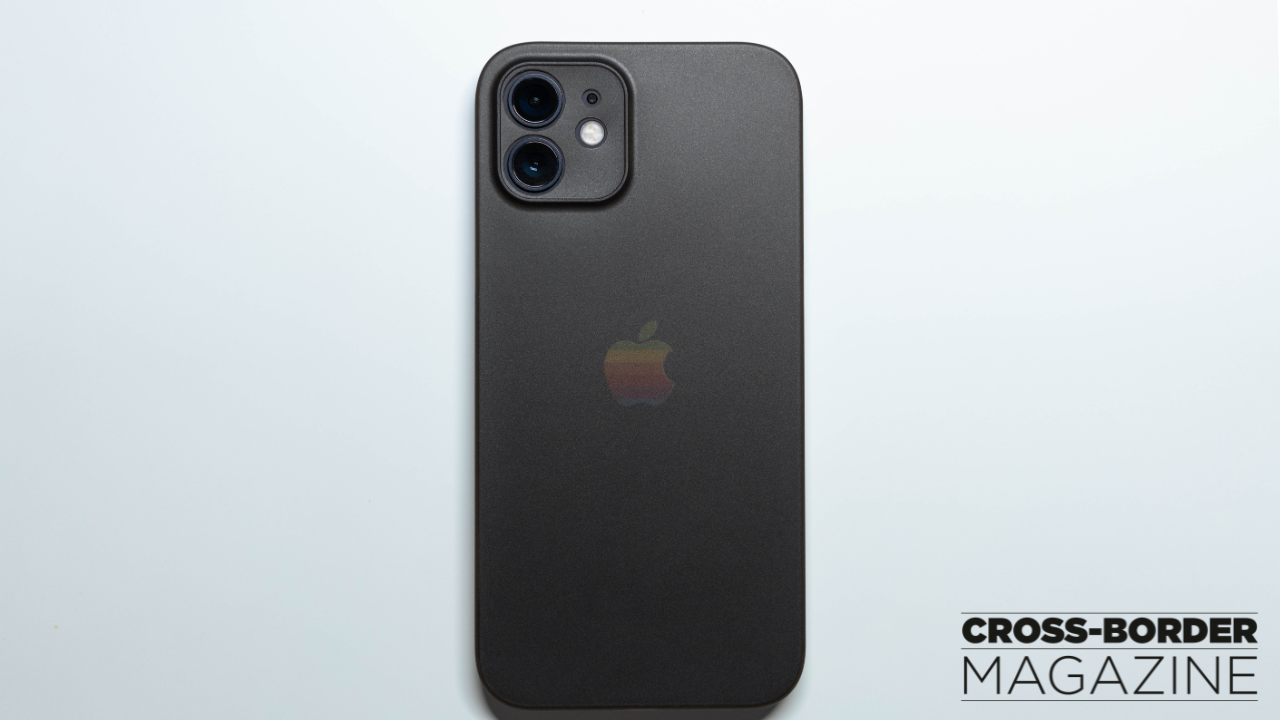
The European Commission (EC) informed this Thursday that it considers as good the concessions offered by Apple to open to its rivals the NFC wireless technology to which it limits the possibilities of the contactless payment 'Tap to Pay' of its iPhone phones -which in practice restricted competition in favor of its Apple Pay service-, binding commitments that Apple must comply with for ten years to avoid a millionaire fine from Brussels for abuse of dominant position.
Ultimately, this means that iPhone users will be able to use other payment apps in addition to Apple Pay, thus enabling third-party payment options.
"It's safe and convenient to pay with your phone. It opens up competition in this crucial sector by preventing Apple from excluding other mobile wallets from the iPhone ecosystem. From now on, competitors will be able to effectively compete with Apple Pay for mobile payments with the iPhone in stores. Consumers will, therefore, have a wider range of secure and innovative mobile wallets to choose from," defended Margrethe Vestager, the EU executive vice president in charge of competition.
The case dates back to 2020, when the EC began investigating the technology company's practices, although it was not until May 2022 that it took the step of formally accusing Apple of preventing developers of contactless payment apps from accessing the standard NFC wireless technology in the brand's devices, forcing users to opt for Apple Pay, the only mobile wallet that can access NFC hardware and software in iOS to make in-store payments, as Apple does not make it available to third-party mobile wallet developers.
In its investigation, the Commission made a preliminary finding that Apple had abused its dominant position by refusing to provide NFC input into iOS to its rivals, reserving such access only to Apple Pay. The Commission's preliminary view is that Apple's refusal foreclosed Apple Pay rivals from the market and resulted in less innovation and choice for iPhone mobile wallet users.
In an attempt to address Brussels's concerns, the company headed by Tim Cook has committed to allowing other mobile payment operators to access its NFC system on iOS devices at no additional charge. Apple will also have to give third parties access to the HCE (host card emulation) system, which allows payment credentials to be stored securely.
It will allow users to set an HCE payment app as the default and use features such as Field Detect (which opens the default payment app), double-click (which opens the default payment app by double-clicking the phone's side or home button), and authentication tools such as Touch ID, Face ID, and the device passcode.
Moreover, Apple should apply objective, transparent, and non-discriminatory criteria to allow third-party operators to access the NFC payment system. Apple must establish a monitoring mechanism and an independent dispute resolution system that allows for review of Apple's decisions restricting access.
These commitments should apply to all third-party mobile app developers in the EU, also when they temporarily travel outside the EU area.
In addition, after consultation with third parties involved in the market, Apple has made a number of additional commitments, such as extending the possibility to initiate payments with HCE apps on other industry-certified handsets or explicitly recognizing that HCE developers are not prevented from combining the HCE payment feature with other NFC functionalities or use cases. It will also remove the requirement for developers to have a payment service provider ("PSP") license or a binding agreement with a PSP to access NFC input and allow developers to access NFC technology to pre-build payment applications for third parties
Apple will update the HCE architecture to align with evolving industry standards used by Apple Pay and will allow developers to require users to configure their default payment application easily. It must also comply with industry specifications for HCE payment app developers and protect sensitive information obtained during an audit.
The U.S. company must shorten dispute resolution times and provide guarantees of independence in the oversight procedure. These changes must be in place by July 25.
Suppose Apple does not comply with these commitments. In that case, the Commission may impose a fine of up to 10% of its total turnover, without having to find a breach of EU antitrust rules, or a periodic penalty payment of 5% of its daily turnover for each day of non-compliance.



By continuing to use the site, you agree to the use of cookies. more information
The cookie settings on this website are set to "allow cookies" to give you the best browsing experience possible. If you continue to use this website without changing your cookie settings or you click "Accept" below then you are consenting to this.