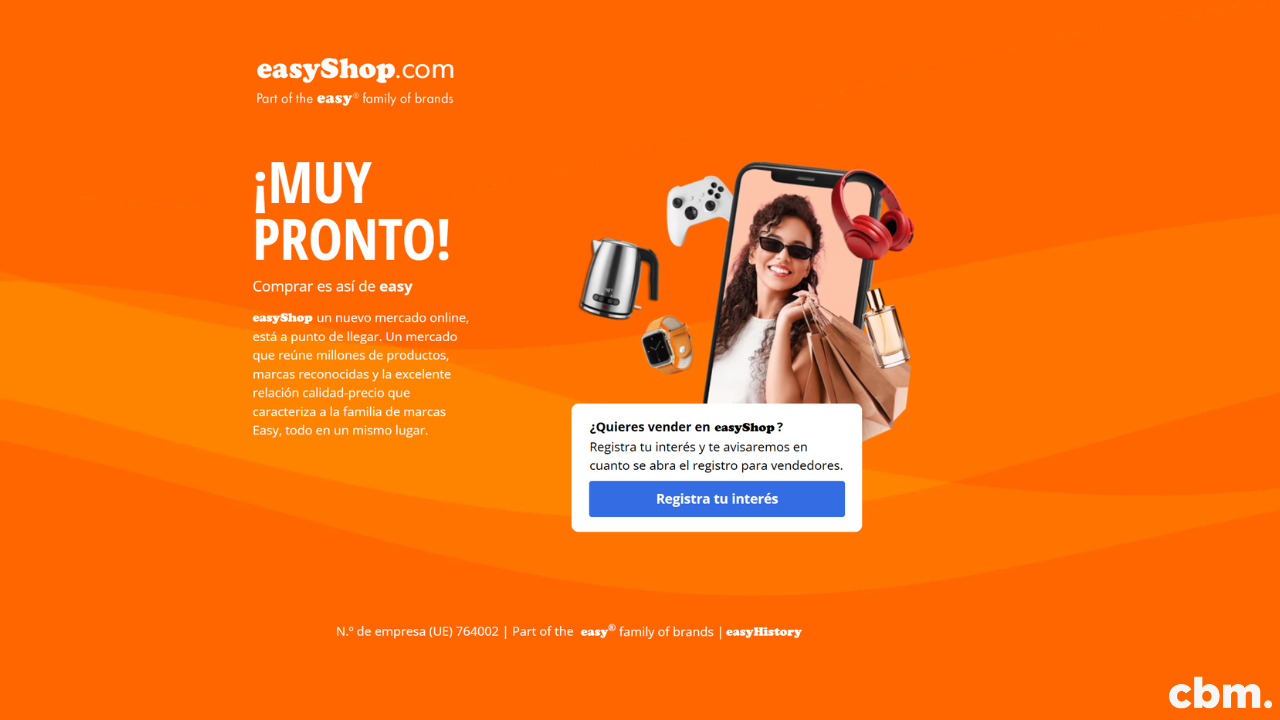
easyGroup launches easyShop as its next major consumer-facing venture, marking the company’s entry into mainstream online retail and adding a new challenger to Europe’s already crowded marketplace landscape. The new platform, easyShop.com, is expected to go live later this year across 21 European countries and will be powered by OnBuy’s marketplace technology.
The move expands the easy family of brands beyond travel, mobility, energy, and consumer services into everyday online shopping. For European retailers, the launch could create a new route to cross-border growth. For consumers, easyShop brings together millions of products, well-known brands, and the familiar easyGroup promise of simplicity and value.
The timing is significant. European e-commerce continues to be shaped by marketplace growth, margin pressure, international seller competition, and consumer demand for greater choice and lower prices. By combining easyGroup’s brand recognition with OnBuy’s marketplace infrastructure, easyShop enters the market with a model designed to scale quickly without having to build the entire retail operation from scratch.
easyShop.com is a new online marketplace created under the easyGroup umbrella. Rather than operating as a traditional retailer, the platform will bring third-party retailers together into a single digital shopping destination.
This means easyShop will not depend on owning stock, directly managing inventory, or building a conventional retail supply chain from the ground up. Instead, it will use OnBuy’s OnCommerce technology to support marketplace operations, seller onboarding and international expansion.
The platform is expected to offer a broad product range, including everyday consumer categories and products from well-known names. Its positioning follows the established easyGroup formula: a simple proposition, strong brand recognition, and a focus on value.
easyGroup is best known for easyJet, but the company has spent years extending the easy brand into multiple consumer sectors. The launch of easyShop fits that wider strategy: using the strength of the easy name to enter markets where consumers already value convenience, price transparency and simplicity.
Online retail is a natural extension of that approach. Marketplaces have become one of the dominant models in European e-commerce, allowing consumers to compare products, prices, and sellers in one place. For easyGroup, this creates an opportunity to move into everyday shopping without becoming a conventional retailer.
The company is not entering an easy market. Europe already has major marketplace players, including Amazon, eBay, Zalando, Cdiscount, Allegro, Bol, Kaufland, Temu and Shein. However, easyShop’s potential advantage lies in combining a well-known consumer brand with a marketplace partner already expanding across Europe.
The partnership with OnBuy is central to the launch. OnBuy is a UK-founded marketplace business that has been expanding across Europe and promoting a seller-first model.
One of OnBuy’s key differentiators is that it does not compete directly with its sellers by selling its own retail inventory on the marketplace. This is an important point in the European marketplace debate, where many retailers are cautious about joining platforms that may also become competitors.
For easyShop, OnBuy provides the technology and operational marketplace infrastructure needed to launch across multiple countries. This allows easyGroup to avoid the complexity of building a marketplace platform from zero while still entering the sector under its own consumer-facing brand.
For OnBuy, the partnership offers a major brand-led expansion opportunity for its technology and marketplace model. It also strengthens OnBuy’s position as an infrastructure partner, not only as a marketplace in its own right.
One of the most important parts of the announcement is the planned launch across 21 European countries. This immediately gives easyShop a cross-border identity rather than positioning it as a single-market project.
For retailers, this could make the platform attractive if it offers access to multiple European markets within a single marketplace environment. Cross-border e-commerce remains a major growth opportunity, but it also comes with operational challenges: localization, product data, taxes, fulfillment, returns, customer service and regulatory compliance.
A marketplace that can simplify some of that complexity may appeal to brands and merchants looking for additional sales channels beyond Amazon and other established platforms.
For consumers, a multi-country rollout also helps easyShop position itself as a European shopping destination from the start. That matters because European e-commerce is still fragmented by language, payment preferences, logistics networks and national retail habits.
The phrase “easyGroup launches easyShop” is more than a brand announcement. It reflects three larger trends shaping European e-commerce.
First, consumer brands are becoming marketplace operators. Companies with strong brand recognition are looking at marketplaces as a way to extend customer relationships without becoming full-scale retailers.
Second, marketplace infrastructure is becoming a business model in itself. OnBuy’s role shows how e-commerce technology providers can help established brands move quickly into online retail.
Third, European sellers continue to look for alternatives to dominant platforms. Many retailers want access to large audiences, but they also want more control, better margins, and less direct competition from the marketplace operator.
easyShop’s success will depend on whether it can turn brand awareness into real shopping behavior. Consumers may recognize the easy brand, but that does not automatically mean they will change where they shop online. The platform will need competitive prices, a strong product selection, reliable delivery, smooth returns, and a clear reason to use easyShop rather than established alternatives.
For sellers, easyShop could become an additional European marketplace channel with built-in brand recognition. This is especially relevant for retailers that already sell across multiple platforms and want to diversify their revenue sources.
The opportunity is clear: if easyShop can generate consumer traffic at scale, sellers can reach shoppers across 21 markets without building separate local operations in each country.
However, the seller opportunity will depend on several practical factors. These include commission structures, fulfillment expectations, product category rules, return requirements, seller support, advertising options, and the quality of the marketplace technology.
Retailers will also want to understand how easyShop plans to drive demand. Marketplace launches are not only about technology; they depend on traffic, trust and conversion. easyGroup’s brand can help create awareness, but sellers will need evidence that the platform can deliver sales.
The consumer-facing promise behind easyShop appears to be straightforward: a simple marketplace with broad choice, recognized brands and good value.
That proposition is aligned with the easy brand. Consumers associate easyGroup with accessible pricing and no-frills convenience, especially through easyJet. If easyShop can translate that perception into online retail, it may find space in the market as a value-led shopping destination.
Still, consumer expectations in e-commerce are high. Shoppers are used to fast delivery, transparent pricing, easy returns, product reviews, and personalized recommendations. Competing in this environment requires more than a recognizable name.
To succeed, easyShop will need to build trust quickly. That means ensuring strong seller standards, clear delivery information, reliable customer service and a returns process that does not create friction.
easyShop should be seen as a new marketplace challenger rather than an immediate threat to Europe’s largest e-commerce players. Amazon, Temu, Shein, Zalando and other major platforms already have huge customer bases, logistics networks and marketing power.
However, easyShop does not need to replace those platforms to become relevant. It can still become valuable as an additional marketplace in the European seller mix, particularly if it offers a fairer or more seller-friendly model.
Its biggest advantage is the combination of brand awareness and infrastructure. easyGroup brings a familiar consumer name. OnBuy brings marketplace technology and European expansion experience. Together, they create a launch with more credibility than a marketplace starting from zero.
The next stage will be seller onboarding. easyShop’s official site is already encouraging sellers to register interest, suggesting that the platform is building its merchant base before the consumer launch.
Key questions remain. Which product categories will be prioritised? How will fulfilment and returns work across different countries? What fees will sellers pay? How will easyShop compete for consumer attention? And how much marketing investment will easyGroup put behind the launch?
The answers will determine whether easyShop becomes a serious European marketplace channel or simply another branded e-commerce experiment.
easyGroup launches easyShop at a time when European e-commerce is becoming more competitive, more fragmented and more marketplace-driven. The project brings together easyGroup’s consumer-brand power and OnBuy’s marketplace technology to create a new shopping destination across 21 European countries.
The launch is important because it shows how established brands can enter online retail through marketplace infrastructure rather than traditional retail operations. It also gives European sellers another potential channel at a time when many are looking to diversify beyond dominant platforms.
easyShop’s long-term success will depend on execution. Brand recognition may bring initial attention, but the platform will need strong sellers, competitive pricing, reliable logistics, easy returns and a clear consumer promise. If it can deliver those elements, easyShop could become one of the more interesting new marketplace launches in Europe this year.



By continuing to use the site, you agree to the use of cookies. more information
The cookie settings on this website are set to "allow cookies" to give you the best browsing experience possible. If you continue to use this website without changing your cookie settings or you click "Accept" below then you are consenting to this.