
Nordic e-commerce gives international retailers access to consumers comfortable shopping online and buying from abroad. However, that familiarity also makes the region demanding. Winning customers requires more than translating a website: delivery, payment and returns must work for the destination market.
PostNord’s E-commerce in the Nordics Spring 2026 report found that 86% of respondents had shopped online in the past month, while 71% had bought online from abroad in the past year. The findings come from 4,000 respondents aged 18–79, surveyed in January and February 2026 across Sweden, Denmark, Norway and Finland. These four markets form the report’s Nordic coverage.
The 71% cross-border figure shows that foreign retailers are already part of the shopping landscape. For a new entrant, the challenge is therefore to offer a compelling reason to buy: a distinctive assortment, convincing value or a better customer experience.
The regional average also conceals differences. PostNord reports that 57% of Swedish consumers had bought online from abroad in the previous year. Separately, its Sweden analysis cites Paketindex data showing that one in four online parcels came from abroad in 2025. The first statistic measures people; the second measures parcel flows. Neither should be presented as the other.
International reach does not remove the need for local relevance. Product descriptions, sizing information, customer support and the full checkout price should help customers make the same informed decision they would expect from a domestic retailer.
Norway demonstrates why a single delivery model can miss customer expectations. PostNord’s Spring 2026 findings identify service points as the most-used delivery method, while home delivery remains the most preferred. Actual usage and stated preference are different measures.
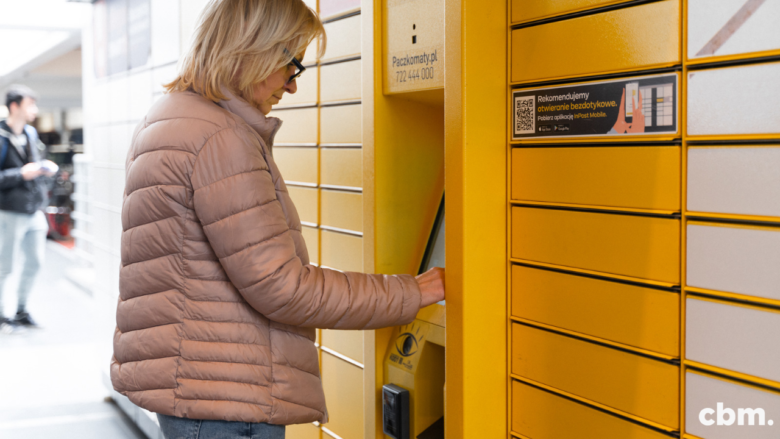
The report also finds that parcel locker usage in Norway is more than twice as common as in 2024. Meanwhile, 51% of Norwegian consumers say they have paid extra for home delivery. Together, these findings support offering relevant alternatives rather than assuming every shopper wants the same service.
For cross-border retailers, that means selecting delivery partners by postcode coverage, available delivery methods and service performance. A strong offer in one Nordic country may require a different configuration in another.
PostNord found that 28% of Nordic respondents had made a return in the previous three months, while 33% had bought second-hand goods online in the previous month. These indicators cover different activities and time periods, but both show why the customer relationship extends beyond the first delivery.
Retailers should explain return costs, drop-off options and refund timing before purchase. A return journey that requires unclear instructions or an unexpectedly expensive international shipment can weaken an otherwise attractive offer.
For businesses considering resale or refurbished products, the second-hand finding also provides a reason to assess demand. It does not establish that every category will perform equally well: condition grading, warranty information and reliable fulfilment remain essential.
A practical entry strategy starts with one country and a defined product range. Retailers can test payment acceptance, delivery selection, checkout conversion and returns before extending the model across the region.
Success should be measured through contribution margin after shipping, refunds and support, alongside repeat purchases. High online shopping participation makes Nordic e-commerce attractive, but sustainable cross-border growth depends on meeting local expectations consistently.



By continuing to use the site, you agree to the use of cookies. more information
The cookie settings on this website are set to "allow cookies" to give you the best browsing experience possible. If you continue to use this website without changing your cookie settings or you click "Accept" below then you are consenting to this.