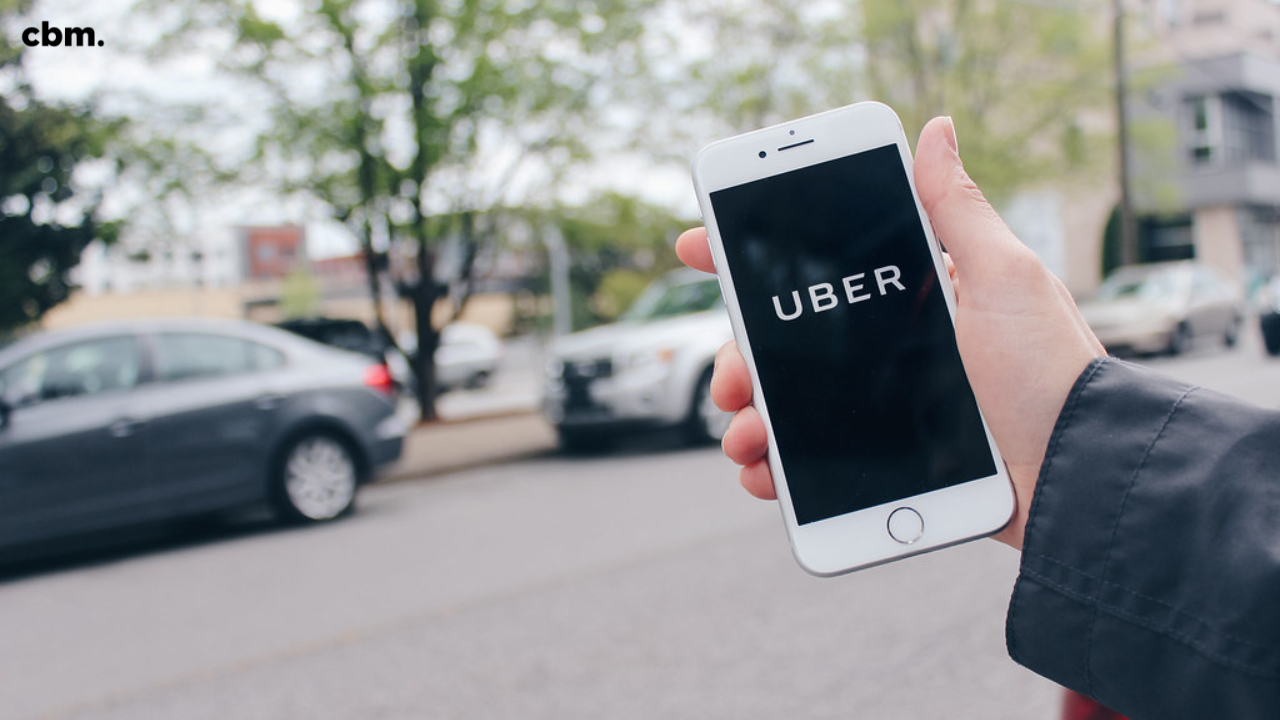
Uber has reportedly paused most of its planned Uber Eats expansion across Europe, marking a significant change in direction only months after announcing its intention to enter seven additional markets.
According to a Financial Times report subsequently covered by Reuters, Uber no longer intends to proceed for now with food-delivery launches in five of the seven countries included in the expansion programme.
Austria, Norway and Greece were identified among the affected markets. The report did not name the other two countries.
Uber Eats will continue operating in Denmark and Finland, where the company says its recent launches have performed strongly. The strategic retreat comes as Uber continues pursuing a possible acquisition of Berlin-based Delivery Hero.
Reuters said it could not independently verify the Financial Times report. Uber did not respond to Reuters’ request for comment, while Delivery Hero declined to comment.
The development nevertheless suggests that Uber may be reconsidering the cost of building delivery networks country by country while simultaneously pursuing an acquisition that could give it immediate access to established restaurants, couriers, retailers and consumers across numerous international markets.
Earlier in 2026, Uber announced plans to expand its food-delivery business into seven additional European countries:
Uber expected the expansion to generate approximately $1 billion in additional gross bookings over three years.
The company has since launched in Denmark and Finland. According to the latest report, Uber has paused plans for five of the remaining or originally targeted markets.
Austria, Norway and Greece were specifically identified. Because the report did not name the other two, it would be premature to state definitively that they are the Czech Republic and Romania, even though those are the two remaining countries from the original list.
Uber reportedly told the Financial Times that it had decided to concentrate on Denmark and Finland following the “huge success” of those launches. The company intends to focus resources on maintaining momentum in markets where Uber Eats is already operating.
There has been no public indication of when, or whether, the other planned launches could be reconsidered.
The pause comes while Uber is pursuing a potential takeover of Delivery Hero, one of the world’s largest local-delivery groups.
Delivery Hero confirmed on 23 May 2026 that it had received an approach from Uber involving a potential takeover offer of €33 per share.
The offer did not represent a final agreement. Delivery Hero shareholders and investors subsequently indicated that the proposed price could undervalue the company, and Uber’s board reportedly discussed whether to increase the offer.
However, no higher formal bid or completed acquisition had been announced at the time of publication.
The initial €33-per-share proposal would value Delivery Hero at more than €11 billion, depending on the number of shares and the valuation method used.
Uber had already become Delivery Hero’s largest shareholder before the takeover approach became public.
On 18 May, Delivery Hero said Uber held approximately 19.5% of its issued share capital and options corresponding to another 5.6%.
Reuters later reported that Uber increased its overall Delivery Hero position from approximately 25% to nearly 37% after buying shares from Aspex Management.
The figures should be understood carefully. Delivery Hero’s official 19.5% disclosure referred to issued share capital at a particular point in time, while the larger percentages reported later reflected Uber’s expanded position and potentially included different forms of economic exposure.
What is clear is that Uber has accumulated a strategically significant interest in Delivery Hero while exploring a full acquisition.
Launching a delivery platform in a new country requires considerable investment.
A company must recruit restaurants and retail partners, establish a courier network, localise payment and technology systems, provide customer support and invest heavily in consumer marketing.
New entrants also frequently use discounts and promotions to attract customers from established competitors. This can make organic market expansion expensive, particularly in countries where consumers already have access to several mature platforms.
Acquiring Delivery Hero could give Uber immediate access to existing delivery infrastructure instead of requiring it to reproduce those networks independently.
Delivery Hero operates a wide portfolio of regional brands, including:
These businesses already have relationships with restaurants, grocery companies, retailers, couriers and consumers across Europe, Asia, the Middle East and Latin America.
A successful takeover could therefore provide Uber with geographic scale that would be costly and time-consuming to achieve through individual country launches.
Pausing the launches may also prevent Uber from investing in new operations that could overlap with businesses it hopes to acquire.
Entering markets already served by Delivery Hero brands could require Uber to spend money competing against the same restaurant, courier and customer networks that it may eventually own.
That could create duplicate operating structures and unnecessary promotional expenditure.
By concentrating on Denmark and Finland, Uber can continue expanding in markets where it has already launched while avoiding further commitments during the Delivery Hero negotiations.
Uber has not publicly said that the pause was caused by its takeover plans. The connection should therefore be treated as a strategic interpretation rather than a confirmed explanation.
Nevertheless, the timing makes the two developments difficult to examine separately.
Delivery Hero has increasingly positioned itself as a broader local-commerce platform rather than a traditional takeaway business.
Its Everyday App strategy combines restaurant orders with groceries, convenience products, household goods, health and beauty items, pet products and other frequently purchased categories.
During the first quarter of 2026, Delivery Hero reported:
Quick commerce has become an increasingly important part of this strategy.
Delivery Hero reported quick-commerce GMV of approximately €7.5 billion in 2025. It also said customers who purchased both restaurant food and quick-commerce products accounted for slightly more than half of group GMV during the first quarter of 2026.
A takeover would consequently give Uber more than a larger meal-delivery network. It could strengthen the company’s position in grocery delivery, convenience commerce and the rapid delivery of everyday retail products.
Uber’s reported change in strategy reflects a broader consolidation trend in European delivery.
After years of rapid expansion, heavy promotional expenditure and competition for market share, delivery companies are increasingly prioritising profitability and operational efficiency.
Acquisitions provide one way to obtain new customers and delivery networks without starting from zero in every country.
Prosus completed its acquisition of Just Eat Takeaway in 2025 after receiving conditional approval from the European Commission. As part of the regulatory commitments, Prosus agreed to substantially reduce its significant holding in Delivery Hero.
Prosus subsequently sold Delivery Hero shares to Uber and other investors, helping Uber build its position in the German company.
Elsewhere in the market, DoorDash has also pursued international expansion through major acquisitions, including its agreement to acquire Deliveroo.
These transactions indicate that global delivery groups increasingly view acquisitions as a faster route to geographic scale.
A full Uber acquisition of Delivery Hero would likely require extensive competition reviews across several jurisdictions.
Authorities would assess the companies’ positions in individual national markets rather than treating Europe or the global delivery sector as a single market.
Uber Eats competes directly with Delivery Hero-owned platforms in a number of countries. Regulators could investigate whether combining those operations would:
Uber has already encountered regulatory resistance to a Delivery Hero-related acquisition.
In December 2024, Taiwan’s Fair Trade Commission blocked Uber’s proposed $950 million acquisition of Delivery Hero’s Foodpanda business in Taiwan. The regulator concluded that Uber Eats and Foodpanda would control approximately 90% of the local food-delivery platform market after the transaction.
Uber decided not to appeal and terminated the acquisition in March 2025. It was required to pay an approximately $250 million termination fee.
The Taiwan case does not determine how European regulators would assess a Delivery Hero takeover. However, it demonstrates the challenges Uber could face in markets where the two companies are among the leading competitors.
European regulators could demand divestments or other remedies before allowing a transaction to proceed.
The potential takeover is also taking place during a period of strategic change at Delivery Hero.
The company announced in May 2026 that co-founder and CEO Niklas Östberg would step down after a successor had been appointed, and no later than 31 March 2027.
Östberg will remain CEO during the transition and will continue leading Delivery Hero’s strategic review and associated merger and acquisition processes.
The leadership change followed pressure from shareholders seeking improvements in capital allocation, corporate strategy and Delivery Hero’s geographic portfolio.
This environment could make partnerships, asset sales or a broader transaction more likely. At the same time, Delivery Hero’s revenue growth and improving quick-commerce performance could strengthen shareholder arguments that Uber must offer a higher price.
Uber has not stopped expanding its European food-delivery business completely.
Denmark and Finland remain central to the company’s current plans.
Uber says the strong early performance of those launches encouraged it to concentrate resources on building scale in the two countries instead of dividing its investment among seven simultaneous market entries.
This strategy could allow Uber to improve restaurant selection, courier coverage and customer retention before committing to another expansion phase.
The performance of Denmark and Finland could also demonstrate whether Uber remains capable of entering European delivery markets organically while pursuing acquisitions elsewhere.
Uber’s reported pause in five planned European markets represents more than a change to its launch calendar.
It may signal a broader shift in how the company intends to grow its delivery business.
Instead of building every local operation independently, Uber appears increasingly willing to use shareholdings and acquisitions to obtain international scale.
Delivery Hero offers an established network that would be difficult and expensive to recreate. It could also accelerate Uber’s expansion beyond restaurant delivery into groceries, convenience products and broader local e-commerce.
The transaction remains uncertain. There is no final takeover agreement, Delivery Hero shareholders may demand a higher price, and regulators could require significant remedies or block the acquisition in markets with substantial competitive overlap.
For now, Uber is concentrating on Denmark and Finland while reportedly placing five other European launches on hold.
Whether those markets have been permanently removed from Uber’s plans will depend on future strategic decisions and potentially on the outcome of the Delivery Hero takeover process.
What is already clear is that European delivery is entering a period in which consolidation may become more important than rapid organic expansion.




By continuing to use the site, you agree to the use of cookies. more information
The cookie settings on this website are set to "allow cookies" to give you the best browsing experience possible. If you continue to use this website without changing your cookie settings or you click "Accept" below then you are consenting to this.